
Uncertainty and complexity are the defining challenges of today’s business environment. Markets shift overnight, technology evolves rapidly, and competition is relentless. Yet, the best leaders don’t just react—they create clarity amid the chaos.
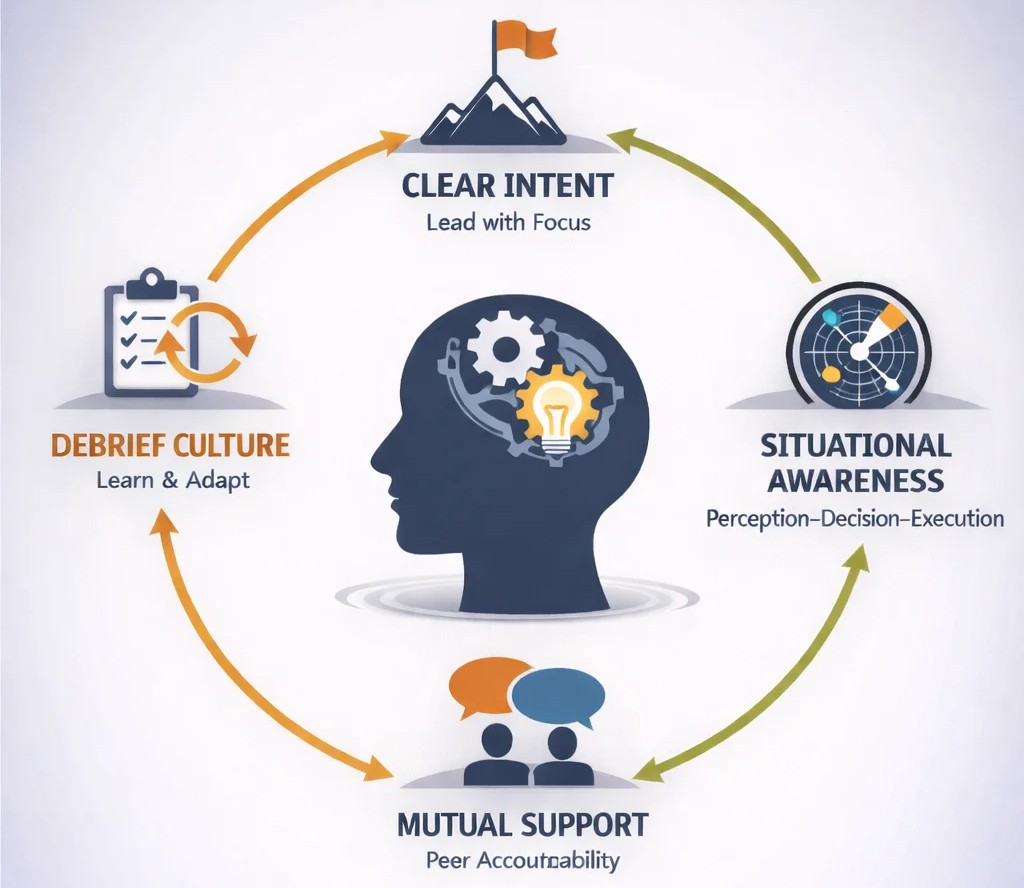
The most effective way to do this? Clear Intent with a Narrow Focus.
This principle was drilled into me as a U.S. Air Force Fighter Pilot. In high-stakes environments where seconds matter, success didn’t come from rigid step-by-step instructions. It came from leaders setting clear intent, giving teams the ability to adapt, execute, and win—despite uncertainty.
Now, I teach business leaders how to apply this same principle to drive performance in dynamic, unpredictable environments.

What Is Clear Intent?
Clear Intent is a precise, unambiguous statement of what must be achieved and why it matters, allowing teams to adapt and execute effectively—even in uncertainty.
It consists of three elements:
✅ What needs to be achieved? (The Objective)
✅Why does it matter? (The Purpose)
✅How does the team adapt to achieve it? (The Execution Flexibility)
Without these three elements, organizations struggle with misalignment, slow decision-making, and lack of accountability—especially in complex environments where conditions change rapidly.
Why Clear Intent Drives Success in Uncertainty
The more complex and uncertain the environment, the less effective rigid instructions become. Leaders who provide clear intent with a narrow focus enable their teams to:
🚀 Make Faster, Confident Decisions – Instead of waiting for approvals, teams act with purpose because they know what success looks like.
🎯 Stay Aligned Without Micromanagement – Clear intent ensures that everyone moves toward the same outcome, even when adjusting tactics on the fly.
⚡ Adapt to Changing Conditions– When challenges arise, teams don’t freeze. They pivot while staying focused on the mission.
In contrast, leaders who fail to provide clear intent often find their teams stuck in reactive mode, unsure of priorities, and struggling to execute effectively.

How to Apply Clear Intent in Complex Environments
1. Define a Single, Clear Objective (The “What”)
Uncertainty increases when people are unclear about the end goal. Leaders must define a specific, measurable outcome so teams know exactly what success looks like.
🚫 Vague: “We need to improve efficiency.” ✅Clear Intent: “We will reduce project completion time by 20% over the next three months by streamlining our approval process.”
2. Provide the Strategic Purpose (The “Why”)
People don’t follow instructions—they follow purpose. In uncertainty, understanding why the objective matters gives teams the confidence to make independent decisions.
📌 Instead of: “We need to roll out this product by Q4.” 💡Say: “We need to roll out this product by Q4 because it positions us ahead of competitors and secures key market share before the next funding round.”
This clarity enables teams to adjust execution without losing sight of the mission.
3. Empower Teams to Adapt (The “How”)
Rigid plans fail in uncertainty. Instead of prescribing every step, define guardrails that empower teams to adjust while staying aligned with intent.
💡 Instead of: “Follow this step-by-step process.” ⚡Say: “Our goal is to increase customer engagement by 15%—you have the flexibility to experiment with outreach strategies as long as they align with our brand values and key metrics.”
This approach builds resilient, proactive teams who can navigate uncertainty without constant oversight.
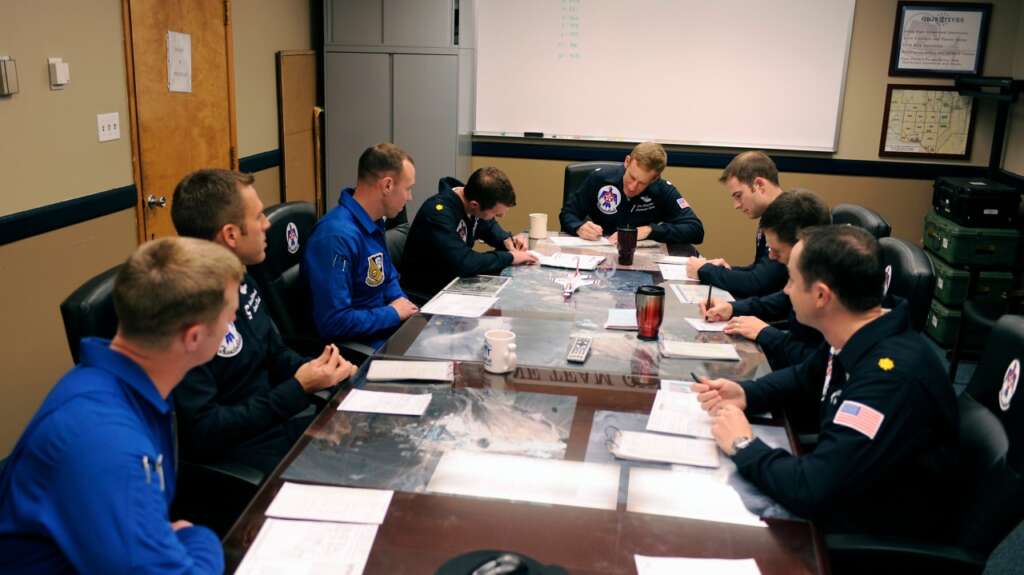
Are You Leading with Clear Intent?
If your team struggles with alignment, slow execution, or decision paralysis, clear intent might be the missing piece. I work with leadership teams to implement these principles and create high-performance cultures that thrive in complexity.
📅 Would you like to discuss how this applies to your organization? Let’s set up a time to talk.

www.brandonwilliamsspeaker.com | brandon@brandonwilliamsspeaker.com
Brandon Williams graduated from the US Air Force Academy, and is an accomplished leadership business speaker, business owner, and adjunct professor in human factors. As a decorated Lieutenant Colonel in the United States Air Force, he led men and women from diverse backgrounds and managed millions of dollars in assets. As an F-15E Fighter Pilot, Brandon flew hundreds of combat hours and missions over the skies of Iraq and Afghanistan, operating in some of the most challenging and dynamic environments imaginable.
Over the past few years, Brandon has built his speaking and coaching business to become an accomplished keynote leadership speaker. Having taught at several universities for almost 15 years as an expert in Human Factors, he leverages his in-depth knowledge of human performance analysis to equip leaders for uncertainty and change.