
What are the most common phrases spoken to loved ones on one’s deathbed?
“I love you.”
“I forgive you.”
“Will you forgive me?”
These simple yet profound statements capture something essential about the human experience. Reading about this recently, I couldn’t help but reflect on its connection to leadership and team dynamics, particularly through the lens of human factors science.
Take a moment to consider the phrase: “Will you forgive me?” It’s a question that requires humility, accountability, and courage. As humans, our natural tendency is to avoid blame and justify our actions. Yet, in life’s most profound moments, we seek to reconcile, forgive, and ultimately take accountability.
What does this mean for leaders?

Accountability and Forgiveness: Not Mutually Exclusive
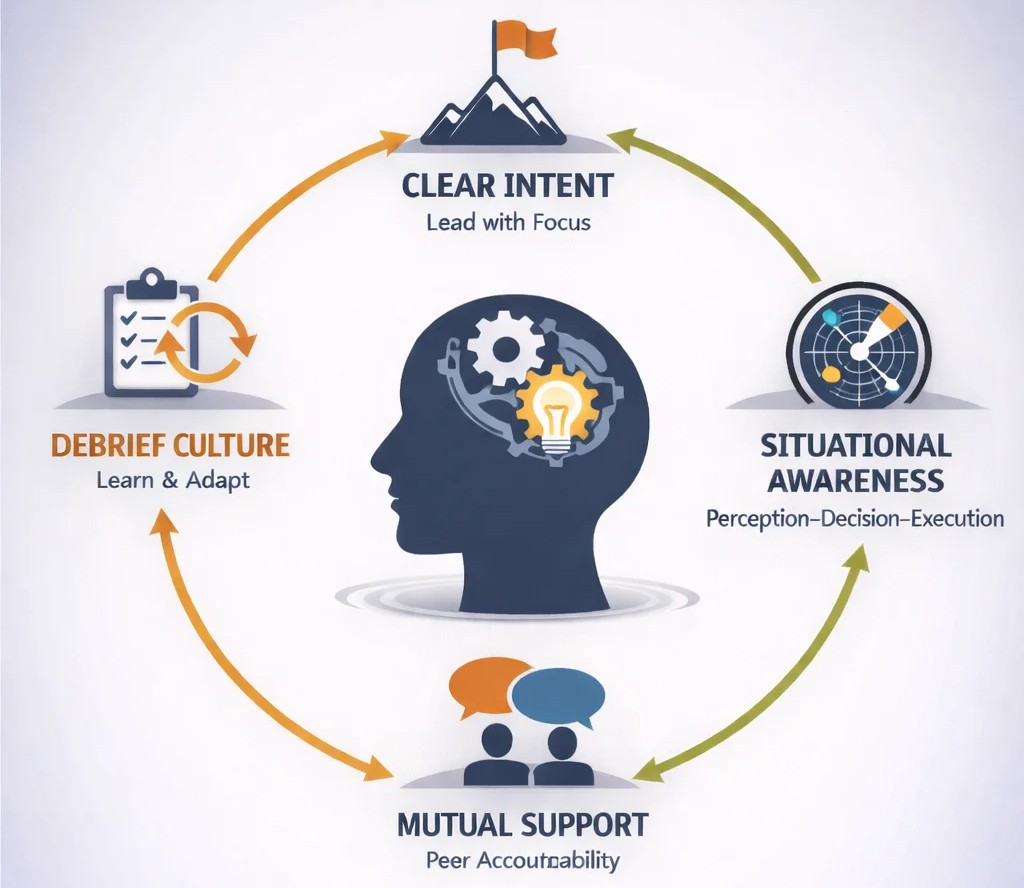
While forgiveness and accountability are distinct, they often go hand-in-hand. Forgiveness does not erase accountability. Instead, it provides a foundation for learning and growth. Accountability enables us to acknowledge our mistakes and move forward with clarity and purpose. It liberates us from the weight of failure, judgment, or resentment and fosters trust among team members.
Why Leaders Must Model Accountability
Setting a tone of accountability as a leader is critical. By owning your shortcomings and addressing unintentional errors—whether your own or others—you create a culture of trust and learning. This contrasts sharply with the counterproductive “blame and train” mindset, which stifles innovation and morale.
Leaders who embrace accountability pave the way for high-performing teams. They set a standard where mistakes are opportunities for growth, not markers of incompetence. By doing so, they empower their teams to take calculated risks, learn from failures, and achieve remarkable results.

Building a Culture of Accountability
How do you set this tone within your teams? Here are three actionable steps:
- Lead by Example and Transparency: Admit your missteps openly. This vulnerability fosters respect and inspires your team to do the same.
- Ask and Encourage Inputs and Debriefs: Create an environment where team members feel safe discussing errors and seeking solutions collaboratively.
- Separate Accountability from Blame: Focus on learning and improvement rather than assigning fault. This shift encourages team members to take responsibility without fear.

The Path to High Performance
Accountability isn’t just about admitting when you’re wrong; it’s about creating a shared commitment to growth and trust. When combined with forgiveness, it builds stronger teams and elevates leadership to a new level. After all, the most successful teams thrive not because they never make mistakes, but because they embrace accountability, learn, and grow together.
How are you fostering accountability and forgiveness within your organization? Share your insights in the comments below—your perspective could inspire someone to take their team’s performance to the next level.
#accountability #trust #leadership #growth