
What can debriefing do for you and your organization?
The Debrief is a practice held near and dear to fighter pilots. And for good reason. After the Vietnam and Korean Wars, our professional community realized learning could be advanced, performance improved, and ultimately lives saved by embracing the debrief.
The debrief is an experiential learning process where the goal is purely to IMPROVE FUTURE PERFORMANCE. The debrief encompasses an environment of peer accountability and honest communication. RESPECTFUL TONE OF ACCOUNTABILITY VERSUS MANUFACTURED HARMONY: This sums up the communication environment of a debrief. The focus of a debrief is NOT to find blame, but rather to LEARN and GROW. It’s NOT an investigation, because that would imply blame and accusation. Rather it’s a sacred process that fosters TRUST, where the ONLY purpose is to develop BEST PRACTICES and find ORGANIZATIONAL GAPS for IMPROVEMENT.
A debrief is not something you do only for major tasks or projects. It’s also not intended to only be conducted for perceived failures. If someone hits a home run, we want the rest of the team to know how to do that. A true DEBRIEF CULTURE is a mindset. A FIGHTER PILOT MINDSET of constantly striving for improvement. Whether it’s a 30-minute sales call result, a large project, or how we did on our quarterly goals, a debrief can and SHOULD be conducted. What went right, what went wrong, WHY, and most importantly what are we going to change, improve, or replicate for next time’s execution?
Success for a debrief will not happen overnight. As Fighter Pilots, it’s something we learned early on in our training starting with day one of Air Force Pilot Training. After every single sortie we flew, combat or training, we ALWAYS took the time to debrief after the mission. This has resulted in thousands of debriefs for the average fighter pilot. And since our world has practiced debriefing for many years, we’ve gotten pretty good at it. However, that’s just not the case in the business world.
That’s why I’ve developed a debrief model and best practices to help you succeed in your business. A debrief MUST follow a structured process in order to be effective. Just sitting down and “talking” about it will likely result in manufactured harmony…good for socializing, but not for improving team performance.
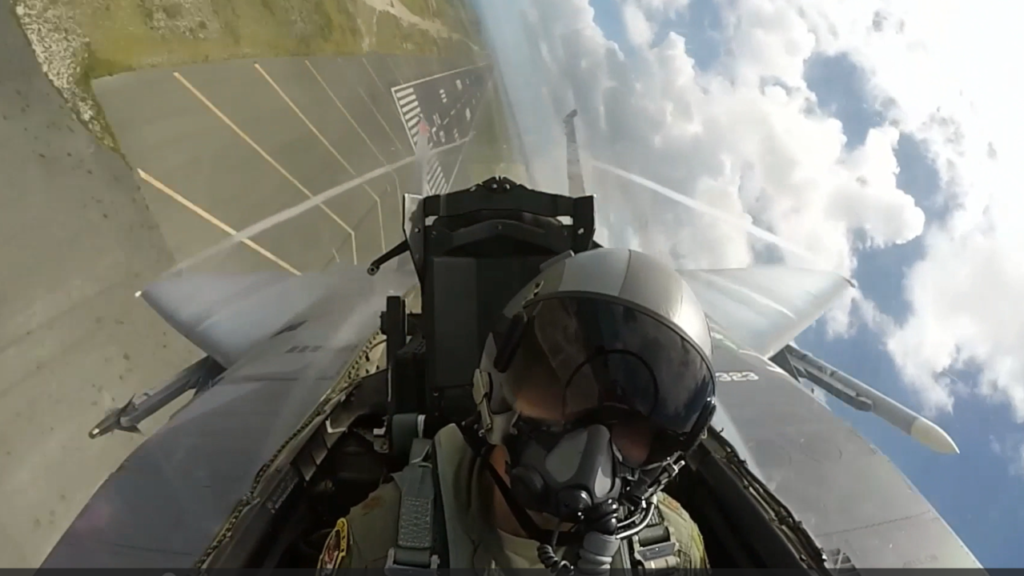
Debriefing Best Practices for Success:
- First and foremost….PLAN TO DO A DEBRIEF. Typically teams do not debrief not because they don’t want to, but because they are busy. If something doesn’t get put on the calendar it doesn’t happen. And debriefs are no different.
- Who attends the debrief? ANYONE WHO WAS ON THE TEAM OR INVOLVED IN EXECUTION. The debrief is not the time for managers or others in “leadership roles” to observe or provide inputs IF they were not involved in execution. The debrief is reserved for only those who were “boots on the ground” executing.
- Who leads the debrief? The team leader for execution of the task/project/event being debriefed. Keep in mind, this may not be the highest ranking person on the team, and many times will not be. Who led the execution of the mission MUST lead the debrief.
- Set a TONE OF ACCOUNTABILITY and open/honest communication. This is perhaps the most important part. Miss this and you can forget about having a truthful, honest debrief. And as with most things, this starts with the team leader….what’s something we could’ve done better as a Leader today? Reinforce we are not here to place blame, but rather LEARN. Trust & Grow Culture vs Blame & Train Culture.
- Set a timeline for the debrief and STICK TO IT! Nothing is worse than a meeting that goes over, and debriefs are no different. There are many things we could debrief and talk about, but we must stick to a structured focus. Harness the technique of Debrief Focus Points in order to stay effective and efficient with your debrief.
- We are not only looking for what went WRONG, but also what went RIGHT. We are looking for best practices and organizational gaps that need to be closed in order to drive better execution. Remember, we are not focusing on the PERSON, but rather the ACTIONS of a TEAM that led to success or failure. Many times this will lead to organizational practices, behaviors, or policies we will repeat, reinforce, adjust, or change.
- The results are how we measured up to the Clearly Defined Outcome or Objective we set out at the beginning of the mission. Did we hit our objectives or not? We are not concerned about the WHYs yet…just the TRUTH DATA on what our results were.
- Finally, at the heart of our debrief is the Analysis. Our analysis wants to uncover the active human errors that caused these results. But that’s NOT the WHY. The WHY are the system gaps, perceptions, and human factors that caused our team members to make certain decisions. That is what we are trying to uncover.
- At the core of our analysis is a Human Factors mindset. What were the HUMAN FACTORS involved which drove decisions and ultimately actions. Remember, no professional shows up to work intending to make a mistake. At the core, human error is driven by the human factors affecting that person and team. We should ALWAYS view mis-steps as a gap in our organization that allowed human error in decision-making.
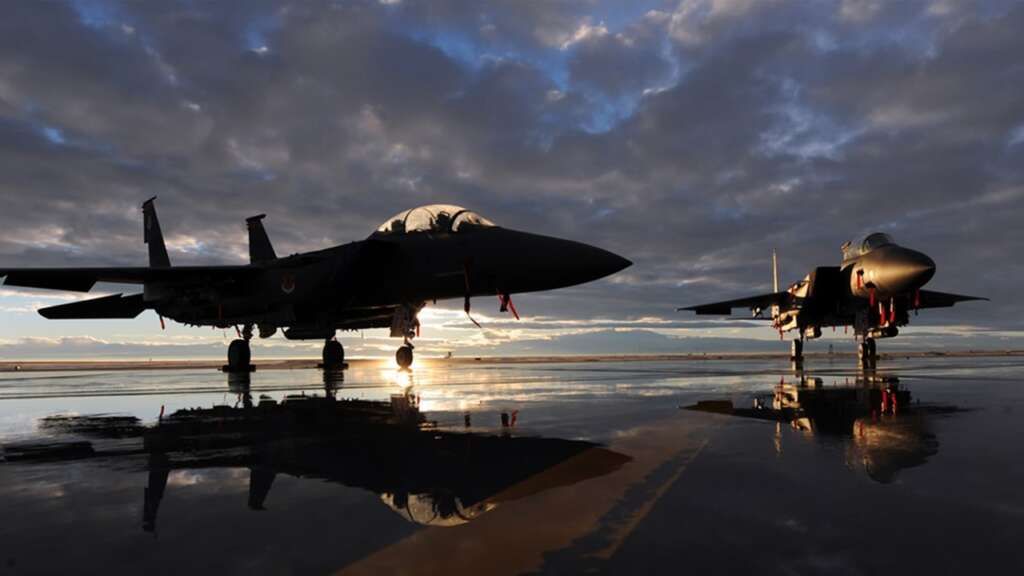
Debriefing for Organizational Success
- Learn how to set a Tone of Accountability and open / honest communication. RESPECTFUL TONE OF ACCOUNTABILITY VERSUS MANUFACTURED HARMONY. (hint: this starts with transparent Leadership)
- Understand what Debrief Focus Points are and how they relate to our results and ultimately analysis.
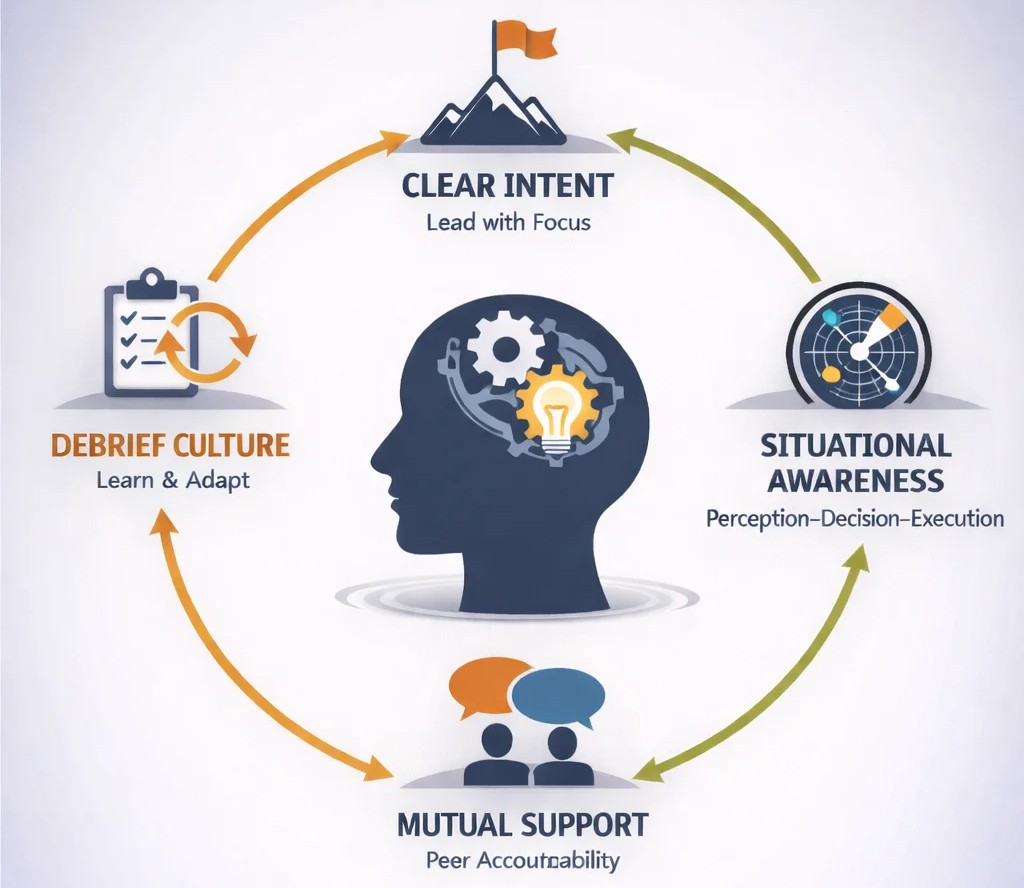
- Comprehend a way to analyze results in a debrief so we understand the WHY behind human error and decisions. How and WHY did the team make these decisions? PERCEPTION – DECISION – EXECUTION
I speak and work with organizations on building this Fighter Pilot Debrief Mindset with Human Factors Leadership. My high-energy keynotes and workshops are designed to equip leaders to lead through uncertainty and change, and ultimately build high-performing teams. If you’re looking for a high-energy, inspirational, and impacting speaker for your upcoming event, please reach out!
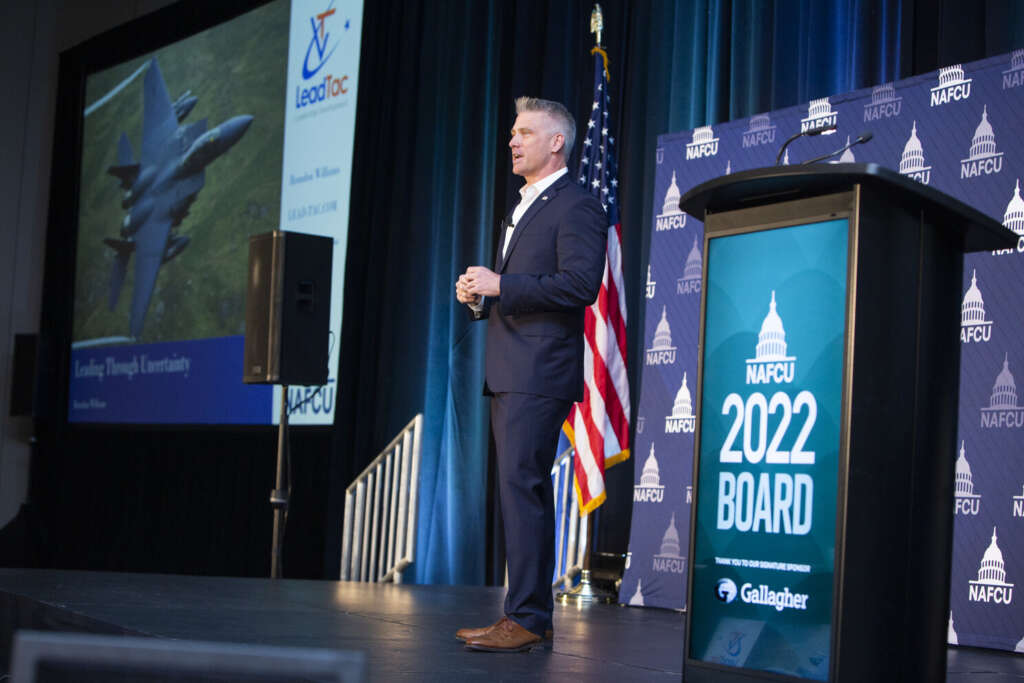
www.brandonwilliamsspeaker.com | bwilliams@lead-tac.com
Brandon Williams graduated from the US Air Force Academy, and is an accomplished leadership business speaker, business owner, and adjunct professor in human factors. As a decorated Lieutenant Colonel in the United States Air Force, he led men and women from diverse backgrounds and managed millions of dollars in assets. As an F-15E Fighter Pilot, Brandon flew hundreds of combat hours and missions over the skies of Iraq and Afghanistan, operating in some of the most challenging and dynamic environments imaginable.
Over the past few years, Brandon has built his speaking and coaching business to become an accomplished keynote leadership speaker. Having taught at several universities for almost 15 years as an expert in Human Factors, he leverages his in-depth knowledge of human performance analysis to equip leaders for uncertainty and change.