
In a recent Linked In Post, I wrote about the tragic events and lessons learned from Eastern Flight 401.
On December 29, 1972, Eastern Air Lines Flight 401 crashed into the Florida Everglades. The cause wasn’t weather, an engine failure, or a system malfunction.
It was a burnt-out light bulb. Or rather, tunnel vision and focus on a burnt-out light bulb.
The crew did the right thing at first—discontinued the approach and began troubleshooting.
But then, all three became fixated on the problem. No one was actually flying the aircraft. When the autopilot quietly disengaged inadvertently, the jet descended unnoticed into the swamp, killing 101 people.
The accident became a watershed moment for aviation. It led to Crew Resource Management (CRM) and reshaped how we think about roles, responsibilities, communication, and monitoring under pressure.
But the lesson goes far beyond the cockpit.
Human Factors in Your World
Whether you’re leading in healthcare, oil and gas, manufacturing, transportation, or aviation, the parallels are striking.
Flight 401 is not just about aviation—it’s about distraction, complacency, and failure to keep the “main thing” the main thing.
Here are three Human Factors principles that apply across every high-risk industry:
1. Aviate First: Job #1 is Maintain Aircraft Control.
In aviation, we say: Aviate, Navigate, Communicate. Flying the airplane in a safe manner is the first and top priority…ALWAYS. Everything else comes after that.
In business and operations, it’s no different.
- Leaders must ensure the team is always aligned on the primary task before chasing secondary issues.
- Ask: What’s our version of “flying the airplane”?
- What drives distraction in your teams, and how do you ensure focus on right thing at the right time?
2. Define Clear Roles & Responsibilities
The crew of Flight 401 lacked role clarity—everyone was troubleshooting, no one was monitoring flight path.
- In your environment, are people duplicating effort while critical monitoring gets missed?
- Role establishment and Mutual Support ensures the team is all contributing in the correct areas…and provides backup if needed.
- Clarity prevents fixation and keeps the right people focused on the right tasks.
3. Debrief to Build Focus & Resilience
Distraction is inevitable. What matters is whether your team learns from it.
- Structured debriefs allow you to examine: Where did focus drift? What was missed?
- What tools, systems, or procedures can we put in place to trap these human factors errors or gaps?
- Continuous debriefing strengthens situational awareness and keeps teams from repeating the same errors.

For Leaders in High-Reliability Industries
Just as in aviation, in healthcare, oil & gas, manufacturing, transportation, or other high-reliability organizations, distraction can be catastrophic.
Lack of focus or awareness can literally be the difference between life and death or injury.
The first line of defense is focus—and focus comes from leadership.
Key Takeaway
Flight 401 wasn’t about a burnt-out bulb or even the autopilot.
It was about losing sight of the most important thing at that time.
As a leader, your job is to keep your team “flying the airplane”—always centered on the primary mission, with clarity, communication, and accountable role establishment.
👉 Where in your organization is it easy to lose focus?
👉What’s your team’s “burnt-out light bulb”?
Reach out to me if you think I can help YOUR TEAM understand human factors, ensure laser focus, and drive better performance!
brandon@brandonwilliamsspeaker.com
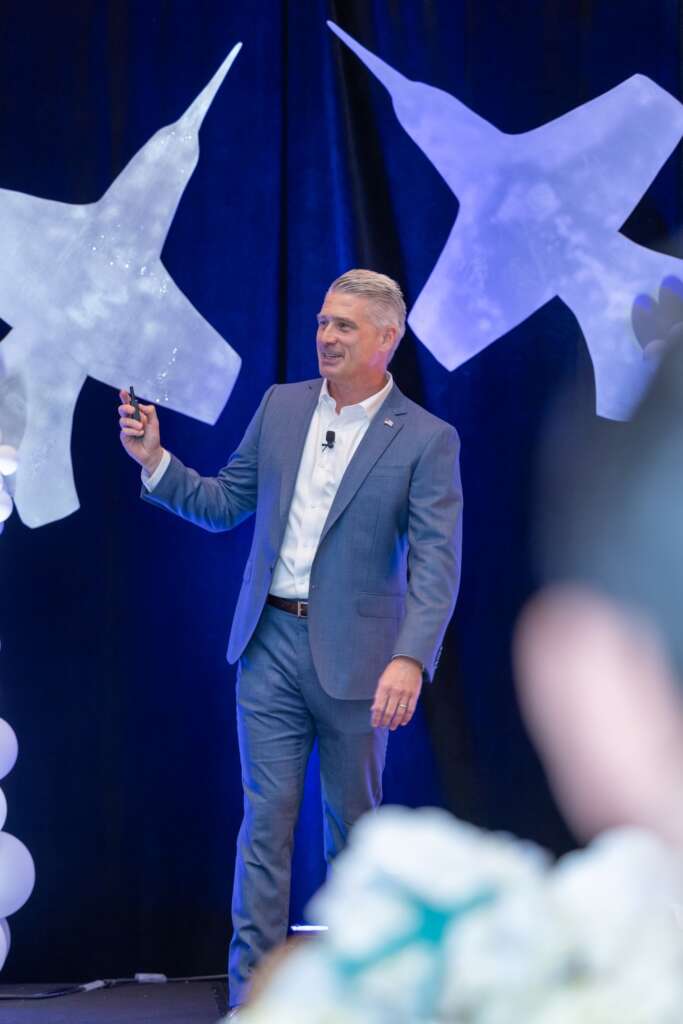

Brandon Williams is a seasoned airline captain, human factors professor, and former U.S. Air Force Fighter Pilot, Lieutenant Colonel, and Safety Officer. With over 20 years of experience leading teams in high-risk, high-performance environments, he brings unmatched credibility to the world of leadership, safety, and operational performance.
As an expert in Human Factors, Brandon equips leaders and teams with practical tools to lead with clarity, foster psychological safety, and drive mission-focused outcomes. His approach blends frontline experience from military and commercial aviation with proven leadership frameworks—helping organizations improve performance while supporting their people. Brandon’s keynotes deliver more than inspiration.
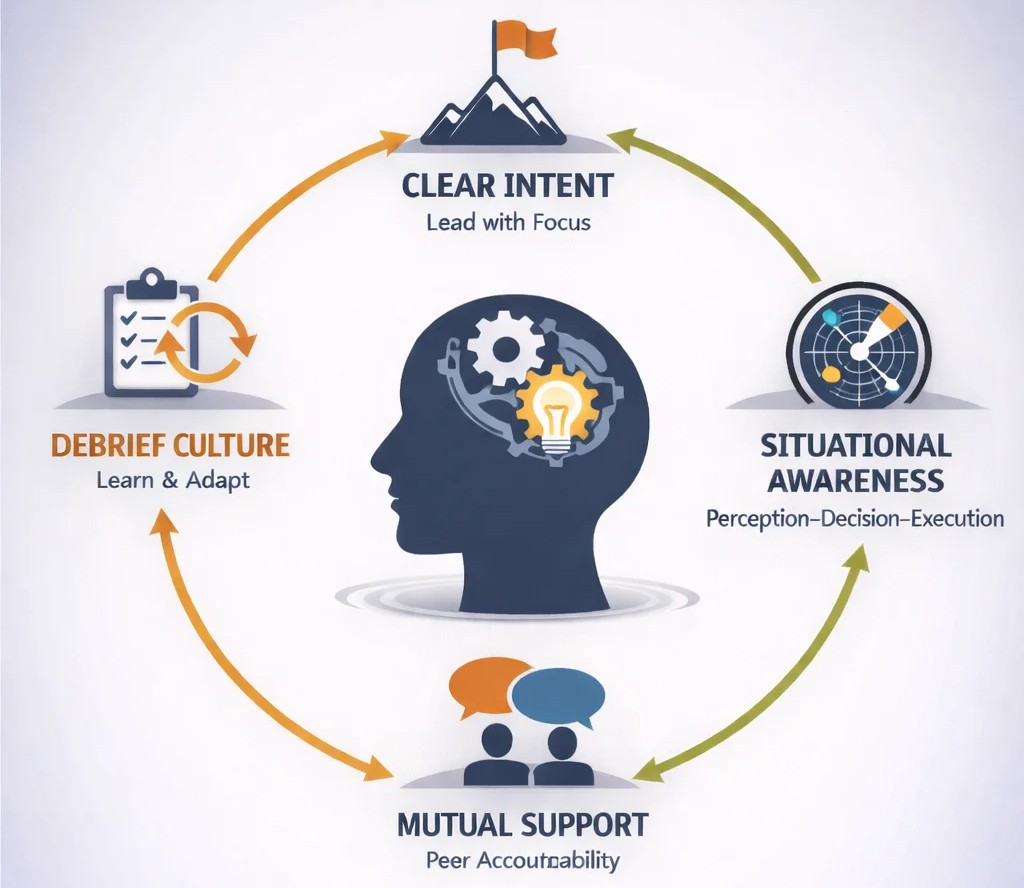
They offer a tangible system grounded in six key principles of high-performance leadership:
• Clear Intent – Leading with purpose and setting expectations
• Situational Awareness – Understanding dynamic environments
• Decision Making – Managing risk and judgment under pressure
• Mutual Support – Fostering accountability and teamwork
• Just Culture – Creating space for learning over blame
• Debrief Culture – Driving continuous improvement and growth