The engine shuts down, the post-flight is done. The Instructor and Student walk back into the building to grab a coffee, talk briefly, and on to the next flight or go home. Or MAYBE, just chat on the walk back inside, and call it a day.
The Debrief.
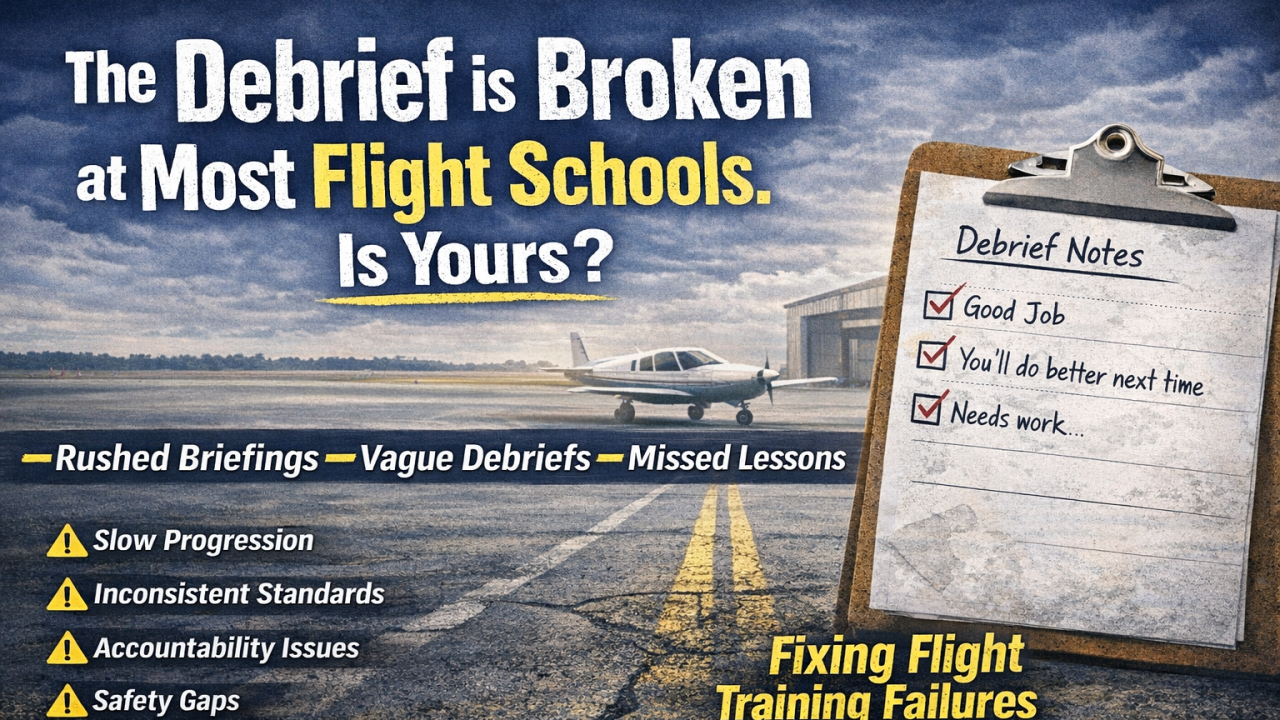
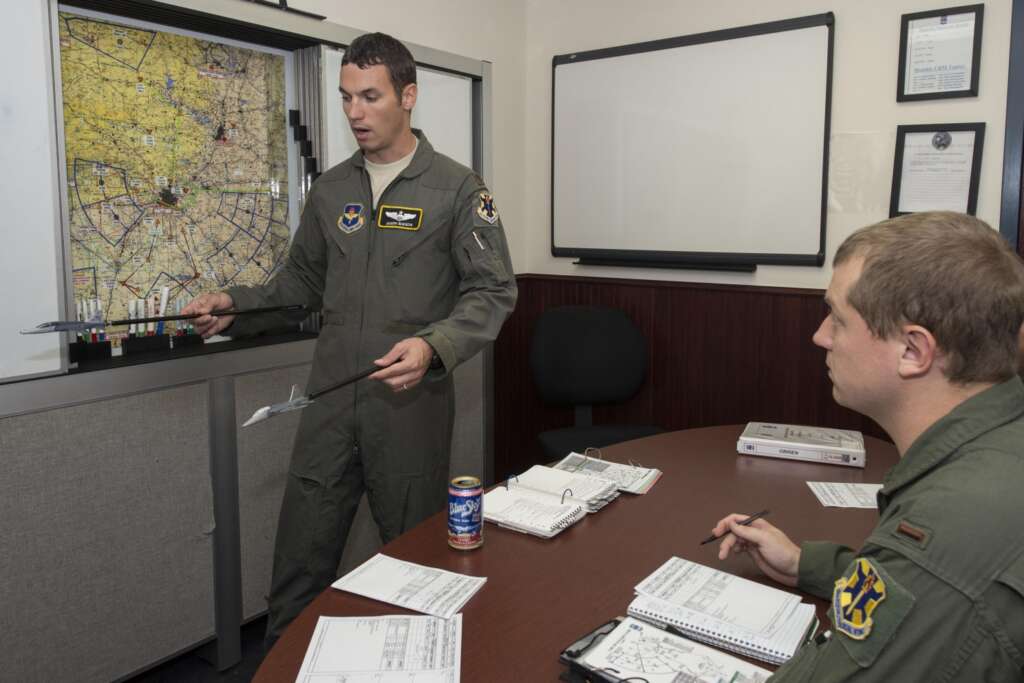
Where the real learning happens. Too many times in General Aviation (GA), this critical part of flight training is rushed, informal, or skipped altogether.
In combat aviation, we learned a long time ago that a structured debrief is the single most effective way to accelerate learning and improve performance. For GA, this translates into more efficient use of Avgas, better pilots, and a safer operating environment.
The good news? You can bring that same discipline to your flight instruction or personal flying—starting today!
Drawing from my experience as a U.S. Air Force Fighter Pilot and Instructor, major airline pilot, and aviation human factors professor, I developed a simple, adaptable, and repeatable Flight Instructor Debrief Guide that blends the demanded precision of combat aviation, FAA best practices, and the science of human performance.
Designed for CFIs at all levels, this Debrief Guide works for instruction in Part 61operations, Part 141 schools, and other aviation training environments.
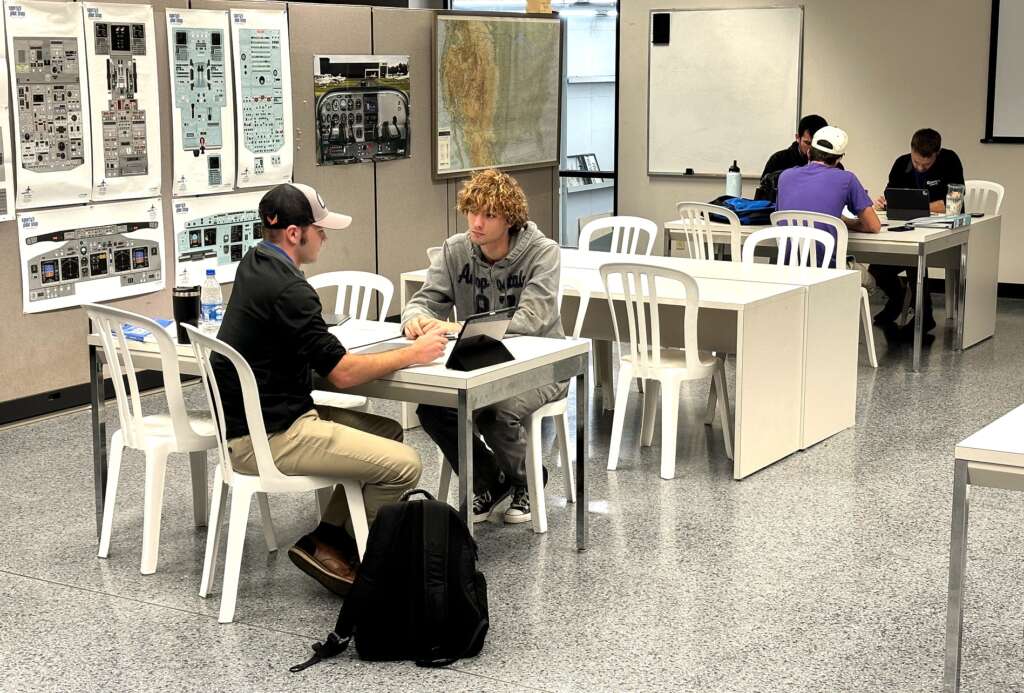
STEP 1: Set the Tone (Psychological Safety + Just Culture)
If the first words out of your mouth sound like a critique, you’ve already lost your audience. Debriefs must start with an environment where honesty and learning are more important than ego or blame. To do that, you MUST set a tone of accountability that breeds open and honest communication.
- The Instructor starts out by modeling accountability: “What could I have done better for you today?
- Instructor leads and facilitates, but the student should be actively engaged. “How do you think it went?” “What’s something you think you, as the student, and ME, as the instructor, could have done better?”
- Reinforce that the Debrief is part of the job of being a GOOD PILOT. The goal is performance improvement, NOT individual blame.
STEP 2:Execution Review (Truth Over Assumptions)
Every sortie should have Clearly Defined Objectives (CDO). What were our CDOs for today and did we meet them?
- Truth Data: What ACTUALLY happened? Altitudes, airspeeds, inputs, aircraft behavior, etc. No assumptions.
- Go phase-by-phase and summarize/reconstruct:
o Preflight & Briefing
o Taxi & Takeoff
o Enroute / Navigation
o Maneuvers / Procedures
o Approach & Landing
o Post-Flight / Shutdown
- Identify your Debrief Focus Points (DFPs) – critical events to analyze. This is especially important when you are time-limited in your debriefs. This allows you to pick maybe 2-3 areas where you need to focus your time on instruction in the next phase.
STEP 3:Analysis (Root Cause Using Human Factors
This is where the magic happens. For each DFP, ask “Why?” Keep asking until you uncover the earliest contributing factor…which is the root cause.
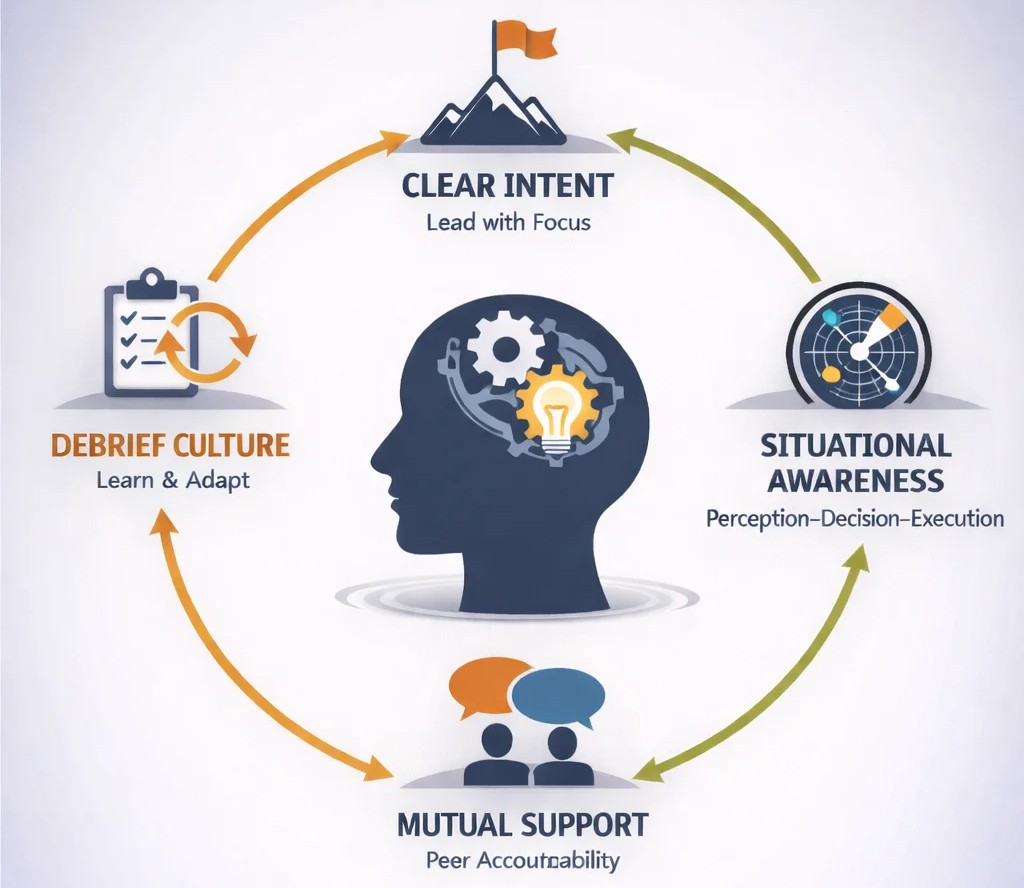
- For maneuvers or tasks, an extremely valuable technique is the “Perception-Decision-Execution” Model. Asking open-ended questions are critical here, and an art of good instruction.
· Perception: Did they miss or misinterpret an instruction, technique or procedure?
· Decision-making: Was the wrong rule or judgment applied?
· Execution: Was it a skill issue or a checklist miss?
- What Human Factors were involved and contributed to the results: tunnel vision, distractions, complacency, fatigue, task saturation, etc.
STEP 4: Learning & Action(What Will We Do Differently?)
Finish the Debrief and leave the student with some solid lessons learned and action items.
- What lessons did we learn today?
- Recap items the student did well on (critical to reinforce confidence and motivation).
- One action commitment from Instructor. (reinforce ALWAYS getting better and learning)
- One action commitment from Student.
- The goals and three items to work on next flight.
The SEAL Framework (For Quick Reference)
If you’re short on time, the SEAL acronym keeps you on track:
- Set the Tone – “What could I have done better today?”
- Execution – Review/reconstruct what ACTUALLY happened.
- Analysis – WHY did that happen? Human Factors? Perception-Decision-Execution
- Learning – What did we learn? At least three action items for next flight.
Why This Works in any Aviation Environment
This Debrief model provides a disciplined and invaluable way to debrief a flight. Short on time? No problem, modify as needed to hit the most important parts and choose your DFPs where you think the student needs the most help.
Since flight instruction started, the debrief has had a place, whether formal or informal. In modern instruction, most CFIs know that an effective debrief is crucial in learning for a student. What most are not taught, though, is HOW to do this effectively.
I’m on a mission to change that, and this Debrief framework is a small piece of that!
“Whenever we talk about a pilot who has been killed in a flying accident, we should all keep one thing in mind. He called upon the sum of all his knowledge and made a judgment. He believed in it so strongly that he knowingly bet his life on it. That his judgment was faulty is tragic… Every instructor, supervisor, and contemporary who ever spoke to him had an opportunity to influence his judgment, so a little bit of all of us goes with every pilot we lose.”
-Anonymous
#debrief #CFI #aviationtraining #humanfactors #flightschool #safety
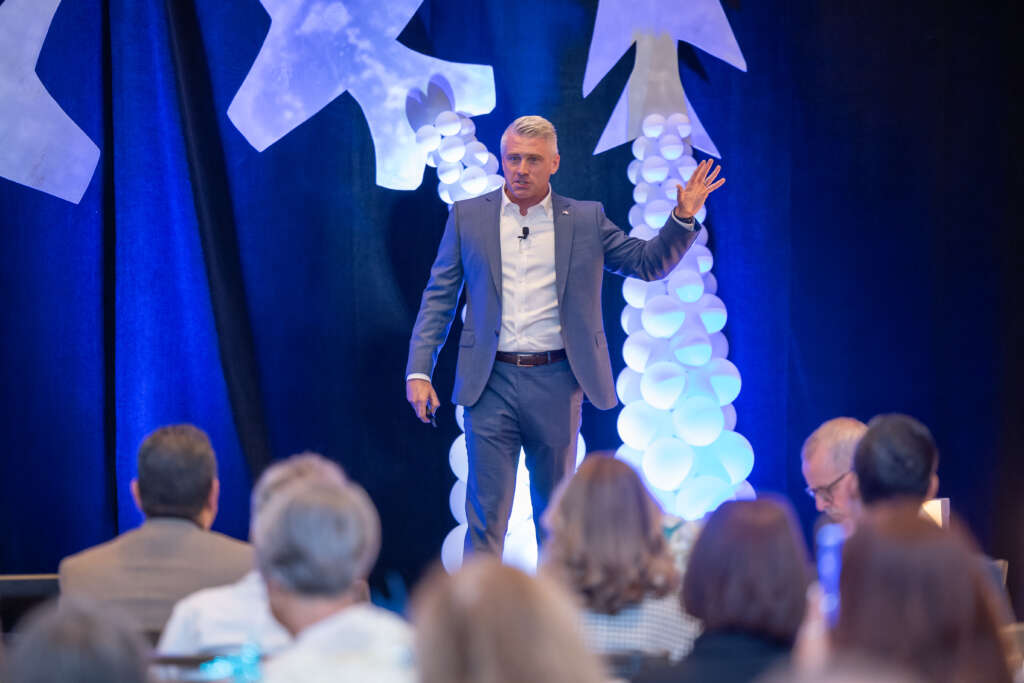

Brandon Williams is a seasoned airline captain, human factors professor, and former U.S. Air Force Fighter Pilot, Lieutenant Colonel, and Safety Officer. With over 20 years of experience leading and training teams in high-risk, high-performance aviation environments, he brings unmatched credibility to the world of safety, leadership, and operational excellence.
Brandon specializes in helping flight schools, training organizations, and aviation teams improve safety culture, enhance instructor effectiveness, and elevate operational performance. As an expert in Human Factors, he equips leaders, instructors, and crews with practical tools to brief and debrief effectively, foster psychological safety, and create an environment where learning and improvement thrive.
Drawing on frontline experience from military and commercial aviation, Brandon blends real-world case studies with proven leadership frameworks—helping organizations reduce errors, improve decision-making, and produce safer, more proficient pilots.
Brandon’s keynotes, workshops, and instructor coaching programs deliver more than inspiration—they provide a tangible, repeatable system grounded in key principles of high-performance leadership that work in the cockpit, classroom, and flight line.