
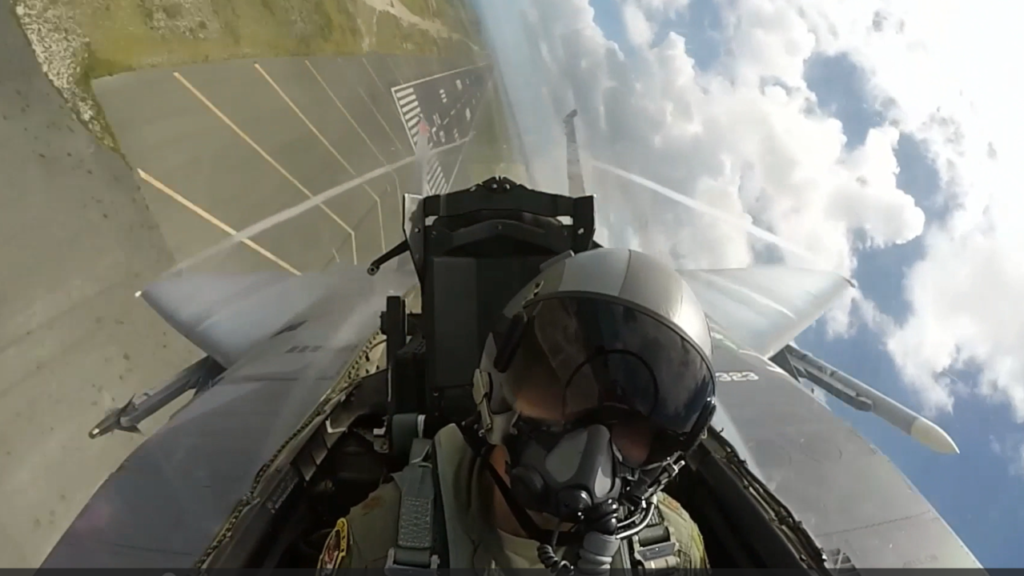
In Air Force Fighter Pilot training, there’s a pivotal moment every aspiring fighter pilot anticipates: the legendary “Mach Ride.” This crucial training sortie is the first time a young fighter pilot student will fly faster than the speed of sound. But it isn’t just about flying faster than the speed of sound—it’s about breaking through psychological barriers and embracing the unknown. As I reflect on this experience, I see striking parallels with effective leadership in any organization.
The Significance of the Mach Ride
While supersonic flight is routine in modern jet fighter aviation—far removed from Chuck Yeager’s historic achievement—for new pilots, it represents a frontier of personal achievement. The Mach Ride isn’t technically complex; its power lies in pushing pilots beyond their comfort zone into uncharted territory.
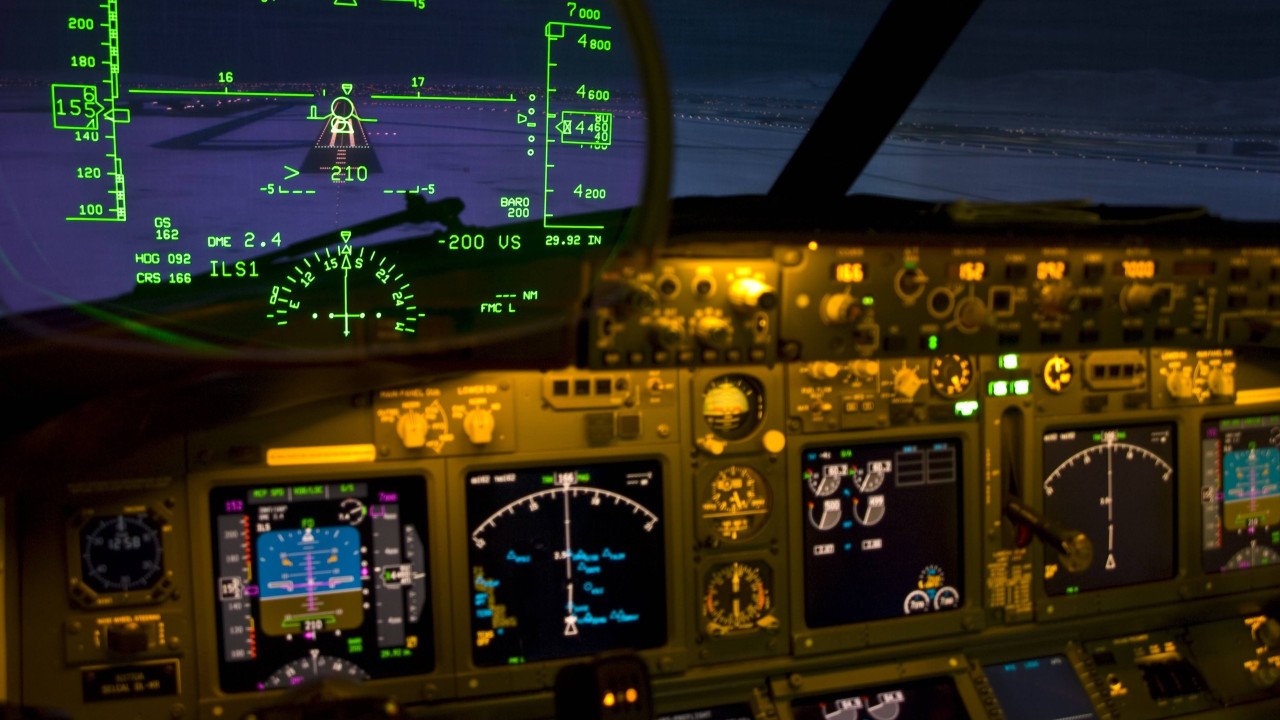
Think about that for a moment: you’re sitting in the cockpit, approaching the speed of sound, about to experience something you’ve only read about in textbooks. Your training has prepared you for this moment, but there’s still that element of uncertainty—that psychological barrier waiting to be broken.

The Leadership Connection
This experience perfectly illustrates a fundamental principle of leadership: the need to guide people beyond their perceived limitations. Just as instructor pilots carefully shepherd students through their first supersonic flight, effective leaders must:
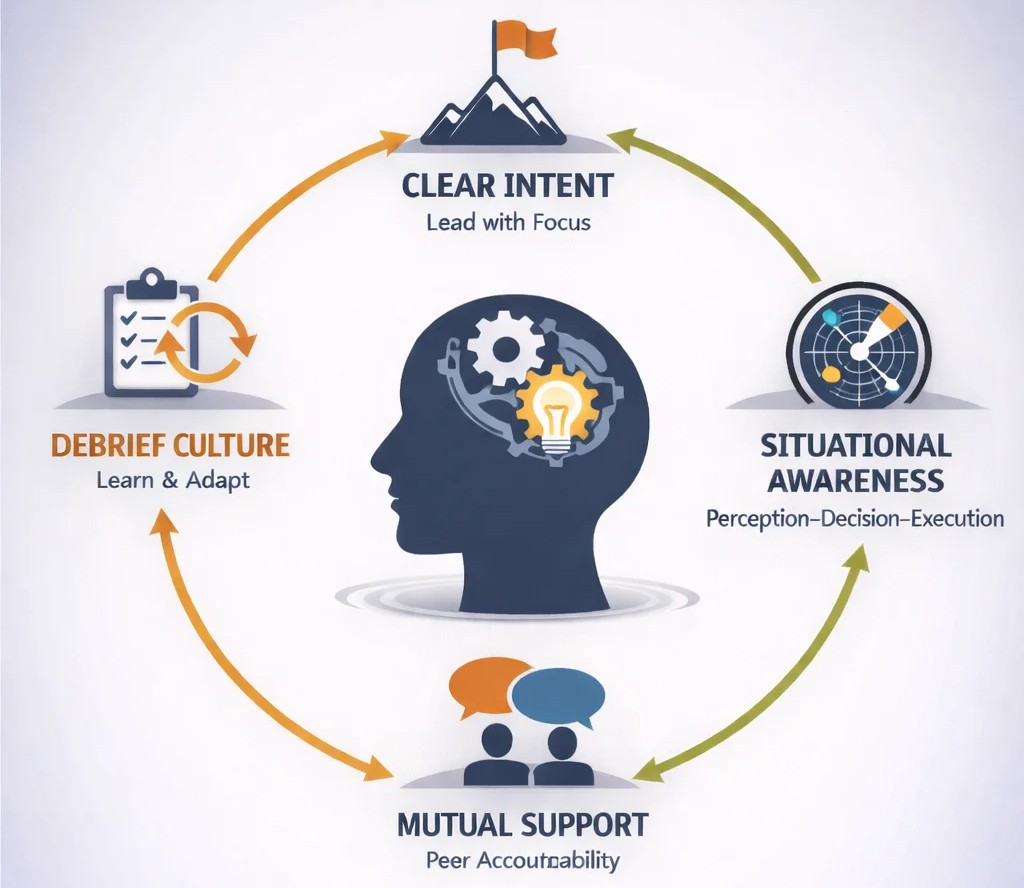
- Create Safe Environments for Growth: Provide controlled challenges that stretch capabilities. Maintain Mutual Support systems for when things get uncomfortable
- Build Progressive Confidence: Start with foundational skills. Gradually increase responsibility. Celebrate milestone achievements
- Implement Decentralized Execution: Grant leadership-backed autonomy. Trust in training and preparation. Allow for personal discovery and growth
The Power of Breaking Barriers
The real magic happens when team members discover they’re capable of more than they imagined. Like a pilot breaking the sound barrier for the first time, employees who successfully navigate challenging situations gain:
- Enhanced self-confidence
- Expanded comfort zones
- Improved problem-solving capabilities
- Greater willingness to take on new challenges
Action Steps for Leaders
Ask yourself:
- Are you creating opportunities for your team to safely test their limits?
- How are you combating complacency in your organization?
- Does your leadership style encourage autonomous growth while providing necessary support?
Looking Ahead
In today’s rapidly evolving business environment, the ability to guide teams through uncertainty isn’t just helpful—it’s essential. Like the Mach Ride, leadership isn’t about the destination; it’s about the transformation that occurs during the journey.
#leadership #autonomy #growth #supersonic #humanperformance

www.brandonwilliamsspeaker.com | bwilliams@lead-tac.com
Brandon Williams graduated from the US Air Force Academy, and is an accomplished leadership business speaker, business owner, and adjunct professor in human factors. As a decorated Lieutenant Colonel in the United States Air Force, he led men and women from diverse backgrounds and managed millions of dollars in assets. As an F-15E Fighter Pilot, Brandon flew hundreds of combat hours and missions over the skies of Iraq and Afghanistan, operating in some of the most challenging and dynamic environments imaginable.
Over the past few years, Brandon has built his speaking and coaching business to become an accomplished keynote leadership speaker. Having taught at several universities for almost 15 years as an expert in Human Factors, he leverages his in-depth knowledge of human performance analysis to equip leaders for uncertainty and change.