
When you’re flying at 500 knots in a $100M fighter jet, you don’t always get the luxury of perfect information. You’re making decisions in environments that are complex, uncertain, and constantly changing.
Sound familiar?
It should—because whether you’re leading in aviation, healthcare, transportation, construction, energy, or any other high-stakes, high reliability industry, uncertainty is the environment your teams live in every day.
The danger isn’t just uncertainty itself—it’s when people are left guessing about what success looks like and what matters most. That’s where Clear Intent Leadership comes in.
What is Clear Intent Leadership?
Clear Intent means defining a clear, specific end state—what success looks like—and setting priorities for your team.
It tells your people:
- WHAT needs to be done, NOT HOW (clear defined outcome),
- FOCUS (what is most important)
- PRIORITIES for decision-making (what do they consider when they make decisions and take actions).
This framing is what allows teams to make autonomous, aligned decisions under pressure. Instead of freezing or waiting for instructions, they can act confidently, knowing their decisions fit within leadership’s intent.
Why It Matters for Safety
Why It Matters for Safety
In high-reliability organizations, incidents often happen not because people don’t care—but because they’re unsure what to prioritize, or they improvise without alignment.
- In healthcare, this can mean focusing on speed over safety in patient care.
- In construction, it can mean choosing productivity over protective measures.
- In aviation, it can mean misaligned actions in the cockpit when seconds count.
Clear Intent reduces this risk. It aligns decisions at every level so that even when the environment shifts, your team is moving toward the same defined end state.

The Human Factors Connection
Human Factors research shows that people make better, faster decisions when they:
- Know the end state they’re working toward.
- Understand the priorities when choices must be made.
- Feel trusted to decide how to get there.
That’s why Clear Intent Leadership isn’t just a military or aviation lesson—it’s a universal leadership tool that builds high-performing, safe, and resilient teams.
Why Safety Leaders Care
At your next safety conference, your audience doesn’t just want inspiration—they want practical frameworks that change how leaders think.
That’s why organizations bring me in: to deliver dynamic keynotes where I break down concepts like Clear Intent into actionable steps leaders can take back to their teams immediately.
Because uncertainty isn’t going away. But with Clear Intent Leadership, your people don’t just survive it—they thrive in it.
👉 Follow this newsletter for more lessons in Human Factors Leadership, Safety Culture, and High-Reliability Teamwork.
👉 To explore keynote options for your next safety event, visit brandonwilliamsspeaker.com.
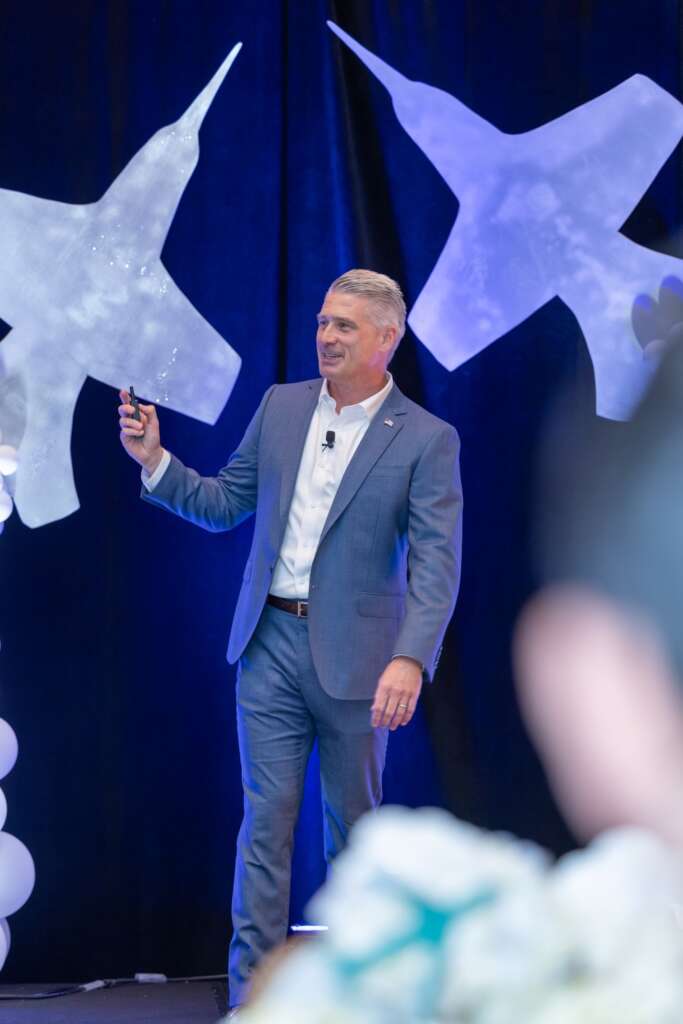
Brandon Williams is a seasoned airline captain, human factors professor, and former U.S. Air Force Fighter Pilot, Lieutenant Colonel, and Safety Officer. With over 20 years of experience leading teams in high-risk, high-performance environments, he brings unmatched credibility to the world of leadership, safety, and operational performance.
As an expert in Human Factors, Brandon equips leaders and teams with practical tools to lead with clarity, foster psychological safety, and drive mission-focused outcomes. His approach blends frontline experience from military and commercial aviation with proven leadership frameworks—helping organizations improve performance while supporting their people. Brandon’s keynotes deliver more than inspiration.
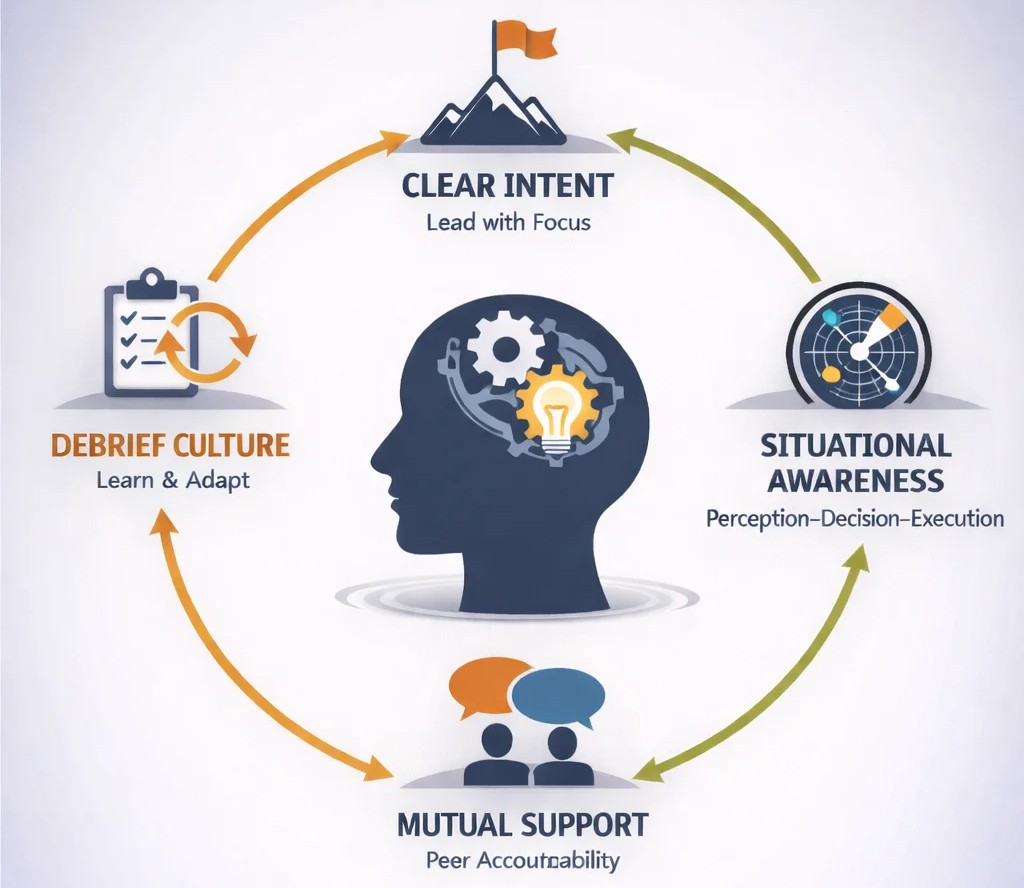
They offer a tangible system grounded in six key principles of high-performance leadership:
• Clear Intent – Leading with purpose and setting expectations
• Situational Awareness – Understanding dynamic environments
• Decision Making – Managing risk and judgment under pressure
• Mutual Support – Fostering accountability and teamwork
• Just Culture – Creating space for learning over blame
• Debrief Culture – Driving continuous improvement and growth