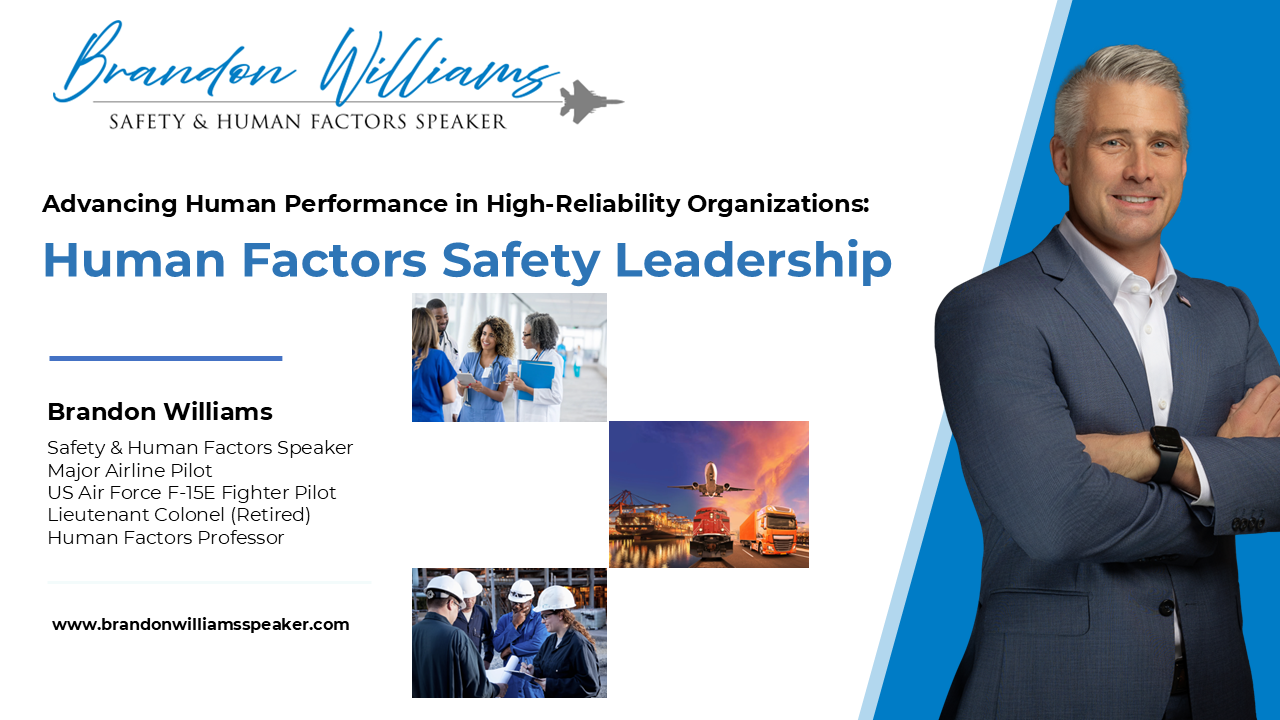
In high-risk industries—aviation, transportation, healthcare, construction, energy—small mistakes can lead to massive consequences. And the root cause of those mistakes? It’s usually not carelessness.
It’s being human.
Distraction. Fatigue. Stress. Assumed intent. Complacency. Poor communication. And so many other human factors. These invisible threats show up every day, especially in dynamic and uncertain environments. And they don’t go away with more rules—they require a shift in how we lead.
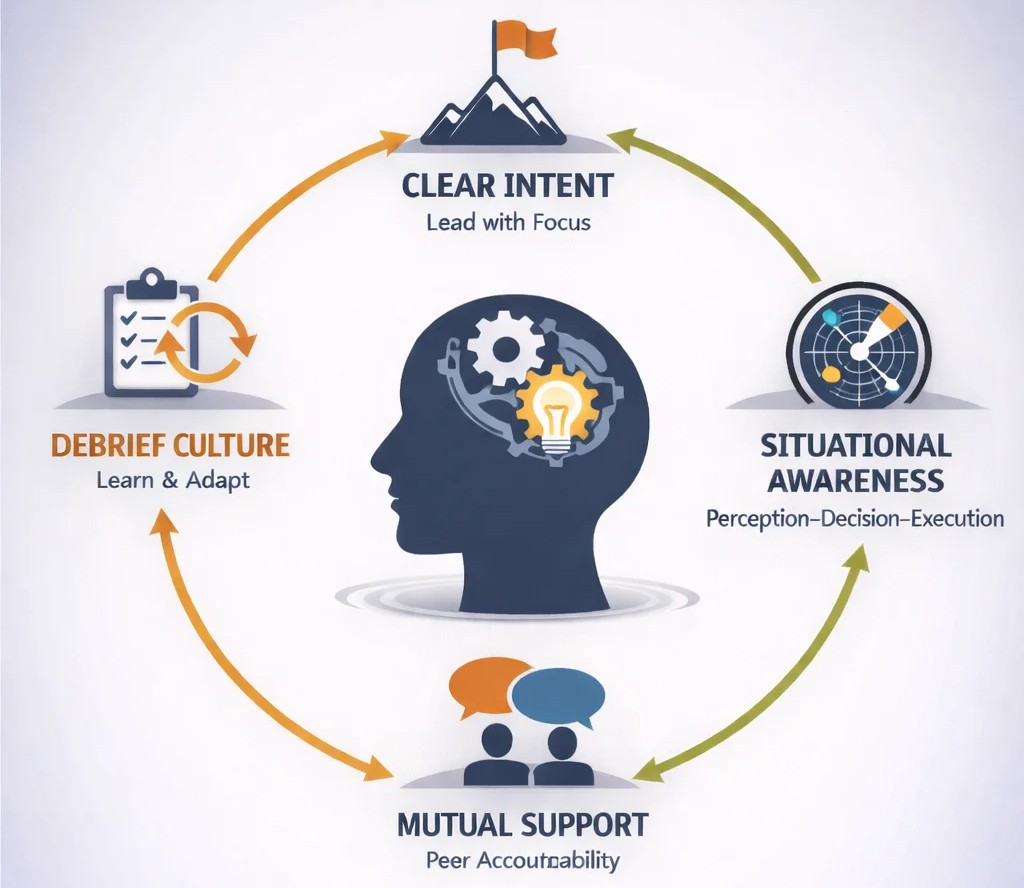
That’s why I developed Human Factors Leadership, a framework built on six core habits of High-Reliability Organizations (HROs). These are the same tools used in military combat aviation, nuclear power, and top-performing safety cultures to reduce error and elevate performance.
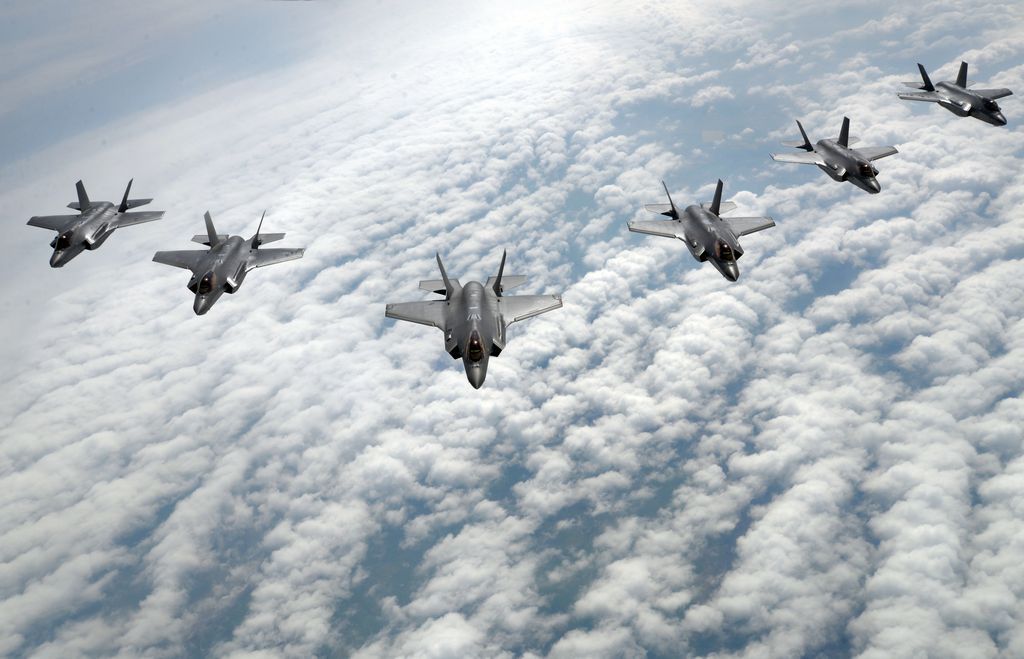
✈️ The Six Human Factors Habits of High-Reliability Teams
1. Clear Intent Great leaders don’t just give orders—they give clarity. In the elite military teams, we used “Commander’s Intent” to align teams around what matters most—even when the plan falls apart. When people know the “why,” they can adapt the “how.” In high-stakes work, clarity becomes your compass. Without it? Teams drift, decisions stall, and trust erodes.
2. Checklists Checklists aren’t about micromanagement—they’re about focus. They reduce mental overload and trap the errors that even experts can miss under pressure. From fighter aircraft to hospital ORs, checklists act as a cognitive safety net—keeping teams aligned and performance consistent. Simplicity saves lives.
3. Situational Awareness You can’t lead what you can’t see. Situational Awareness (SA) is your ability to perceive what’s happening now, understand what it means, and anticipate what’s coming next. But SA drops fast under fatigue, stress, or complexity. That’s why high-performing teams brief before execution—to align, assign roles, and mentally prepare for contingencies before they hit.
4. Mutual Support No one succeeds alone in high-stakes environments. In aviation, we flew in formation for a reason: to cover blind spots, speak up without fear, and back each other up. The best teams flatten the hierarchy when it matters most. Peer accountability and psychological safety go hand in hand—and ego takes a back seat to execution.
5. Just Culture When something goes wrong, do you ask “Who screwed up?” or “What set this up?” A Just Culture separates honest mistakes from reckless behavior—and focuses on fixing systems, not just blaming individuals. When people feel safe to report issues without fear, you get better data, faster learning, and fewer repeat errors. It’s accountability with empathy—and it builds extreme trust.
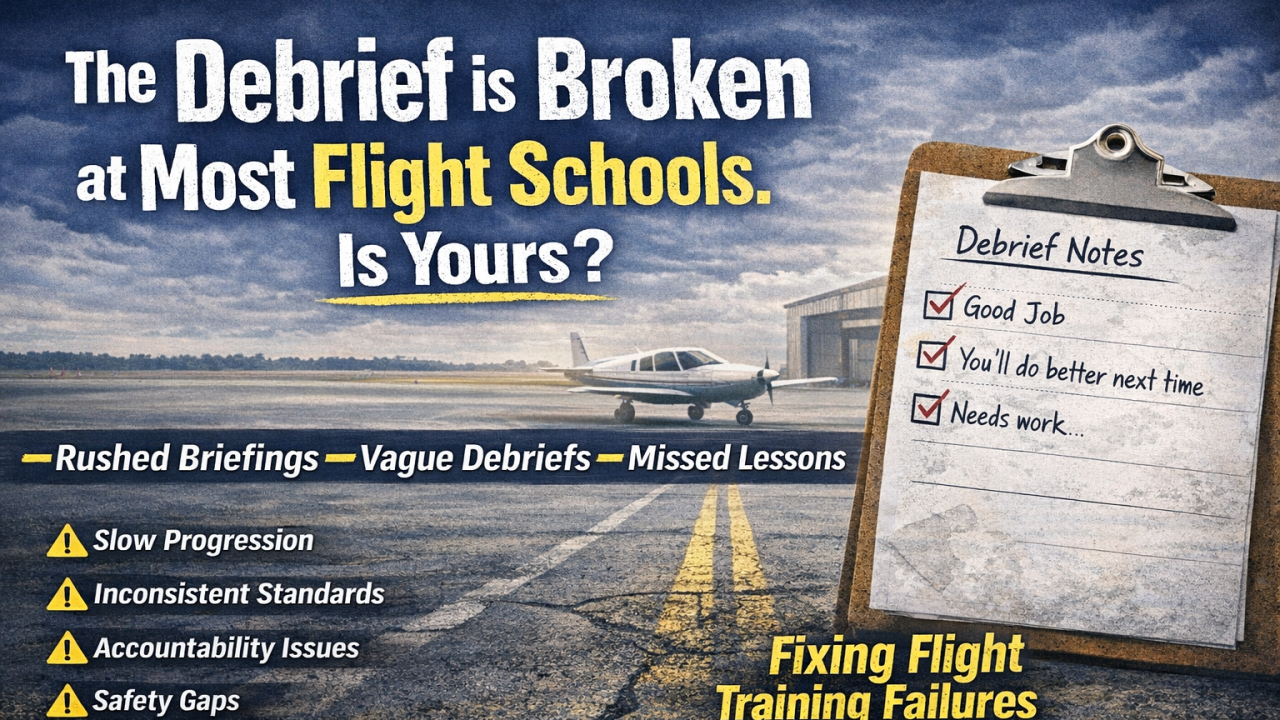
6. Debrief Culture The best teams don’t just move on after a job—they learn. Debriefing isn’t an investigation—it’s a system for continuous improvement. In high-performing cultures, every mission, operation, or shift ends with a debrief. No rank. No titles. No blame. Just focused learning on TEAM performance, NOT individual: What happened? Why? And what will we do differently next time? Teams that debrief consistently outperform those that don’t by up to 25%, according to research in Human Factors science.

The takeaway? High-performing teams don’t avoid mistakes—they’re just better at preparing for them, responding to them, and learning from them.
If you want safer operations, better decisions, and stronger teams, don’t fight human nature—lead with it.
👉 Ready to bring Human Factors Leadership to your next event, safety summit, or leadership retreat? Let’s connect.
Contact me at brandon@brandonwilliamsspeaker.com or visit brandonwilliamsspeaker.com to LEARN MORE and get your FREE Human Factors Debrief Guide!
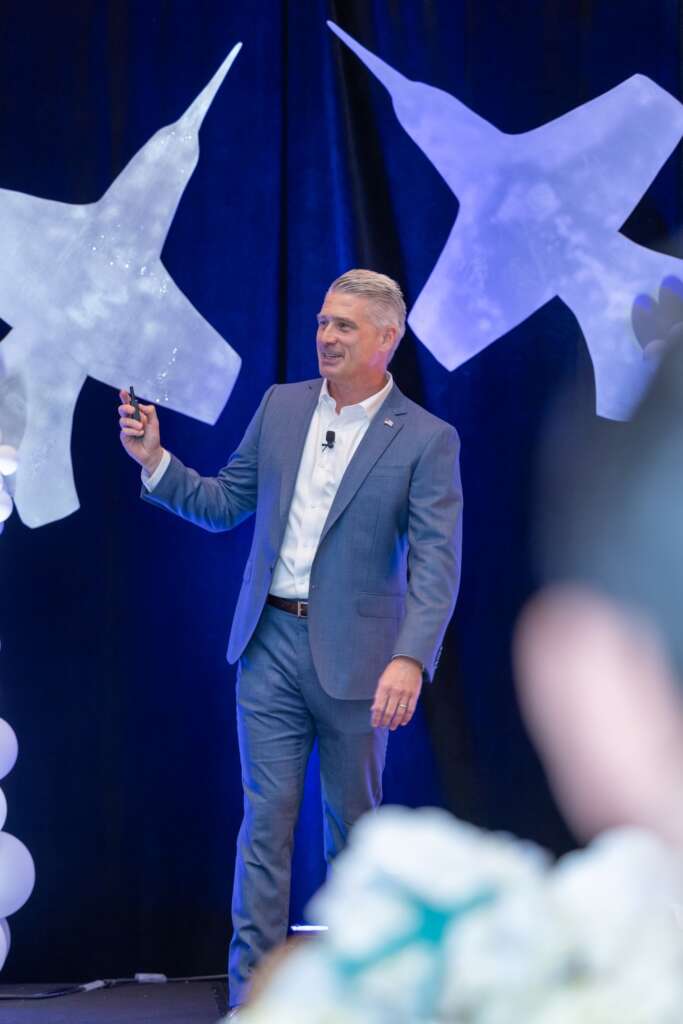
www.brandonwilliamsspeaker.com | brandon@brandonwilliamsspeaker.com
Brandon Williams is a seasoned airline pilot, human factors professor, and former U.S. Air Force Fighter Pilot, Lieutenant Colonel, and Safety Officer with over two decades of experience leading teams in some of the world’s most dynamic, complex, and high-risk environments.
As a recognized expert in Human Factors and organizational safety, Brandon equips leaders with the tools to build High-Reliability Organizations and High-Performance Teams—including transportation, healthcare, energy, construction, and manufacturing.
Through powerful keynotes and workshops grounded in military aviation and safety science, Brandon addresses the realities of human error, the importance of system-level thinking, and how to lead in safety when facing uncertainty and complexity.