In many organizations, the word accountability triggers negative reactions. It conjures images of blame, punishment, or finger-pointing after something has gone wrong. But accountability doesn’t have to be about assigning fault—it can be one of the most powerful expressions of trust, mutual support, and high performance in any team.
Accountability Through Mutual Support
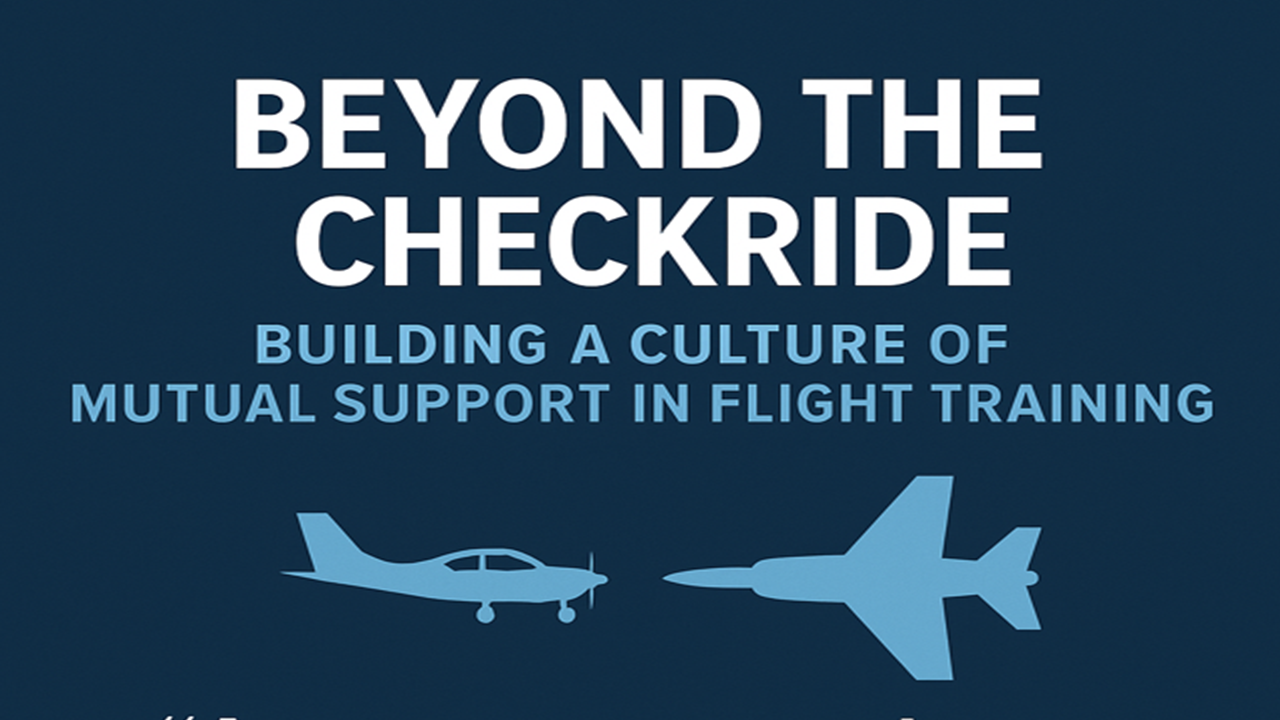
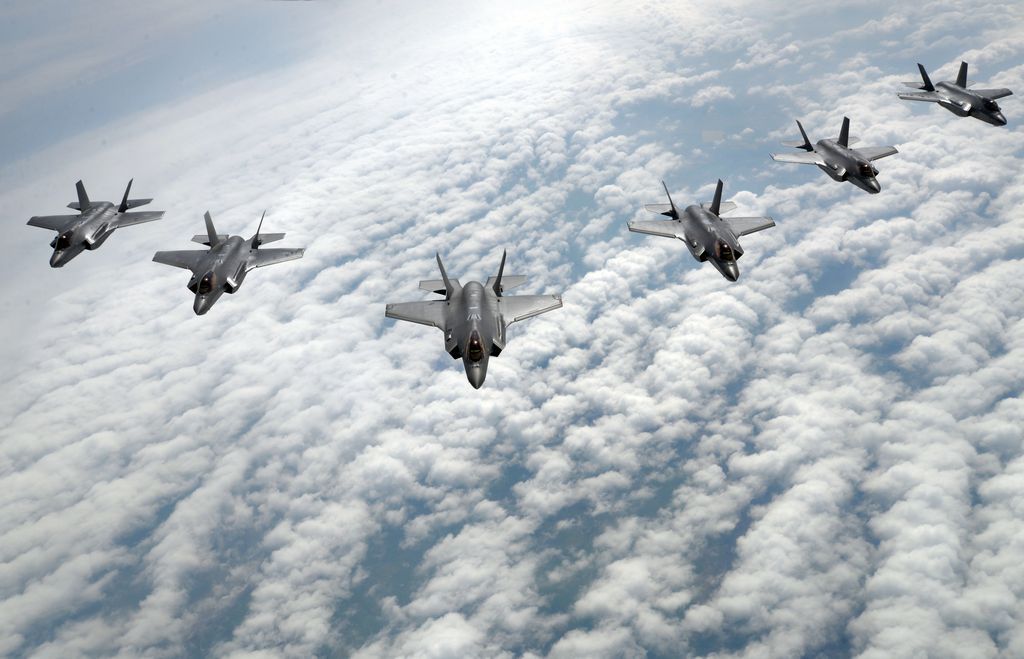
When I flew as a fighter pilot, we never flew alone. We always had a wingman. Why? Because in the most uncertain and complex environments, no one person could see it all, anticipate it all, or get it all right. Mutual support wasn’t optional—it was survival.
And here’s the truth: high-performing organizations aren’t much different. Complex projects, fast-moving markets, and constant change create uncertainty. Without mutual support, teams drift, mistakes compound, and performance suffers.
But when accountability is framed as support—when peers look out for one another—it becomes a multiplier of trust, clarity, and resilience.
When accountability is built into the culture, it shifts from “calling someone out” to “calling someone up.” Teams see it as support, not judgment. That’s the difference between a culture of blame and a culture of mutual support.

Why Teams Struggle With It
Many organizations shy away from accountability because it feels uncomfortable. We don’t want to risk offending a colleague or being perceived as micromanaging. But when accountability is absent, performance slips quietly. Small mistakes become big errors. Trust erodes. And in safety-critical industries like aviation, healthcare, transportation, construction, or energy, the consequences can be catastrophic.
The Mutual Support Mindset
In high-performing teams, accountability is tied directly to mutual support. We hold each other accountable not to prove who’s right, but because we care enough not to let someone fail alone. In aviation, we call it “cross-checking”—backing up your teammate to prevent human error.
Mutual support sounds like this:
- “Confirm…”
- “Back me up on this…”
- “Have you considered…”
- “Would you like to change/do this/reconsider….”
- “Maybe I’m missing something, but what about…”
- “Why…”
- “Timeout…”
And when it’s time-critical? DIRECTIVE, then descriptive. STOP the chain of events BEFORE something bad happens.

Building Accountability Into Culture
Leaders can create this environment by:
- Framing accountability as support—make it clear that peer accountability is about keeping the team safe and successful.
- Normalizing feedback—the more frequent and routine it becomes, the less threatening it feels.
- Leading by example—when leaders invite accountability (“Tell me what I missed or could have done better for you”), they give permission for the team to do the same.
- Debriefing every mission/project—consistent, open and honest discussions of what went well and what didn’t remove the stigma from mistakes and make accountability a habit.
And most importantly: Human Factors-Get to know WHO you work with. How are they doing? Who are they? Build the human connection. Tribal mentality kicks in, and now you truly want to see that person succeed…that’s when you’ve arrived at the pinnacle of Mutual Support.
The Takeaway
High-performing teams don’t avoid accountability—they redefine it. Like fighter pilots relying on wingmen, they use mutual support to navigate complexity with clarity, adaptability, and trust.
✅ Bottom line: Accountability is not a bad word when it’s rooted in mutual support. It’s how high-performing teams protect each other, learn together, and win together.
Reach out to me if you think I can help YOUR TEAM understand clear intent, clearly defined objectives and drive better performance!
brandon@brandonwilliamsspeaker.com
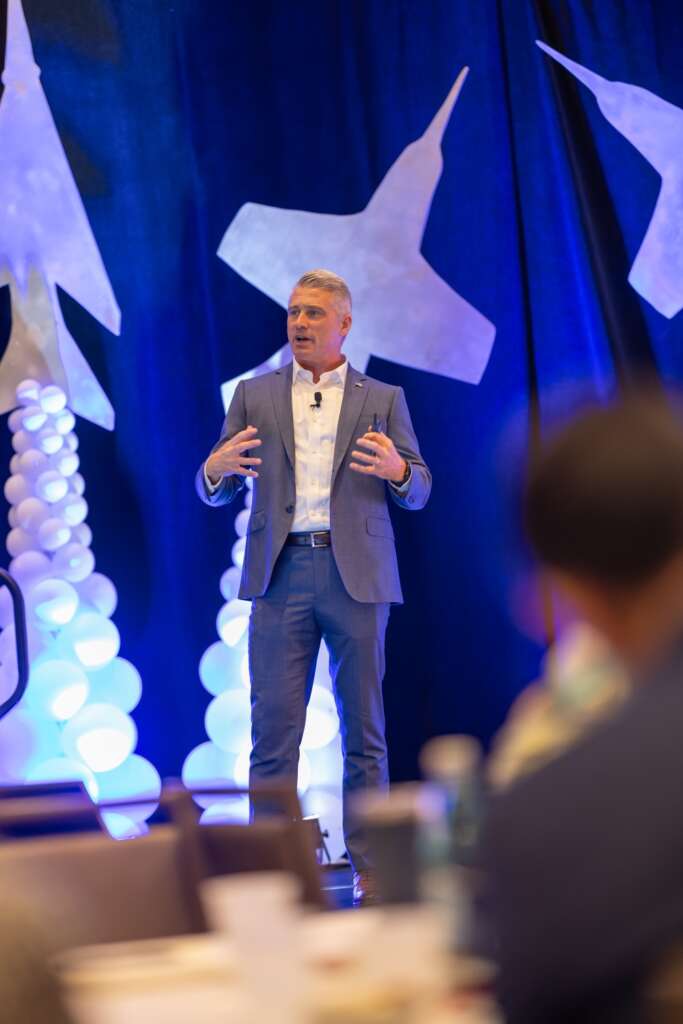
Brandon Williams is a seasoned airline captain, human factors professor, and former U.S. Air Force Fighter Pilot, Lieutenant Colonel, and Safety Officer. With over 20 years of experience leading teams in high-risk, high-performance environments, he brings unmatched credibility to the world of leadership, safety, and operational performance.
As an expert in Human Factors, Brandon equips leaders and teams with practical tools to lead with clarity, foster psychological safety, and drive mission-focused outcomes. His approach blends frontline experience from military and commercial aviation with proven leadership frameworks—helping organizations improve performance while supporting their people. Brandon’s keynotes deliver more than inspiration.
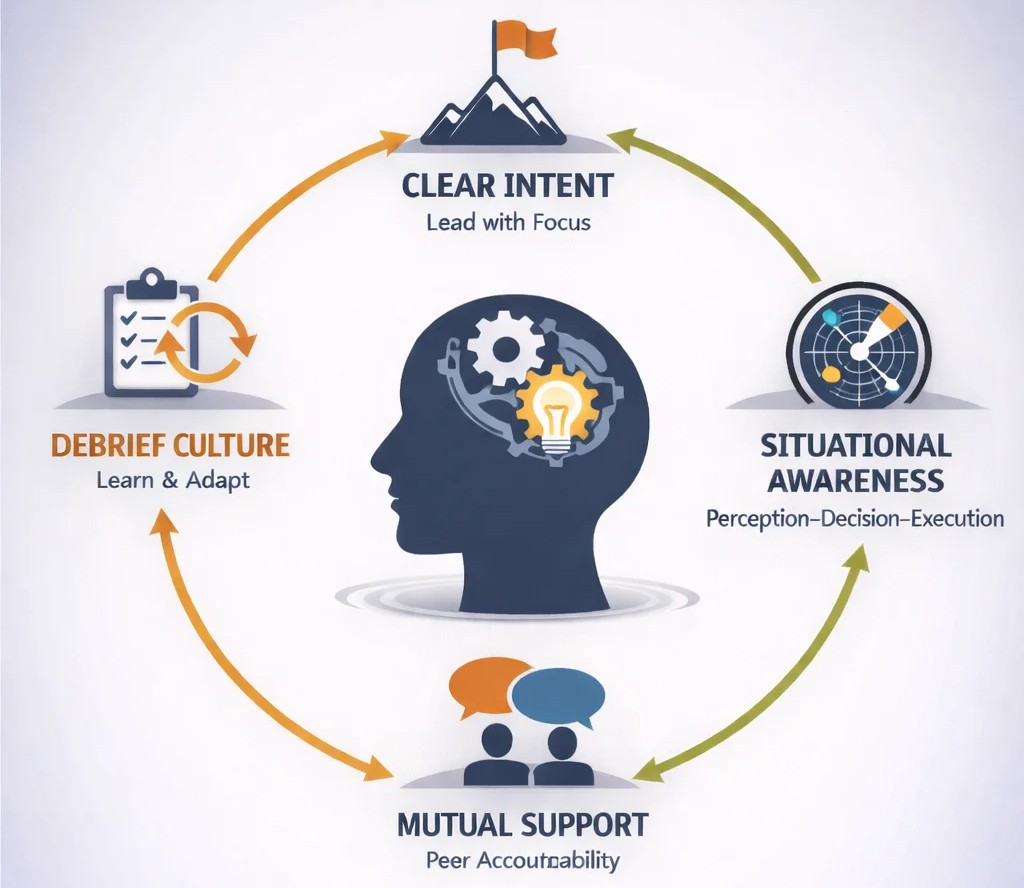
They offer a tangible system grounded in six key principles of high-performance leadership:
• Clear Intent – Leading with purpose and setting expectations
• Situational Awareness – Understanding dynamic environments
• Decision Making – Managing risk and judgment under pressure
• Mutual Support – Fostering accountability and teamwork
• Just Culture – Creating space for learning over blame
• Debrief Culture – Driving continuous improvement and growth