Have you ever wondered how elite teams—like fighter pilots—thrive under intense pressure, navigate complexity, and still extract lessons after every mission?
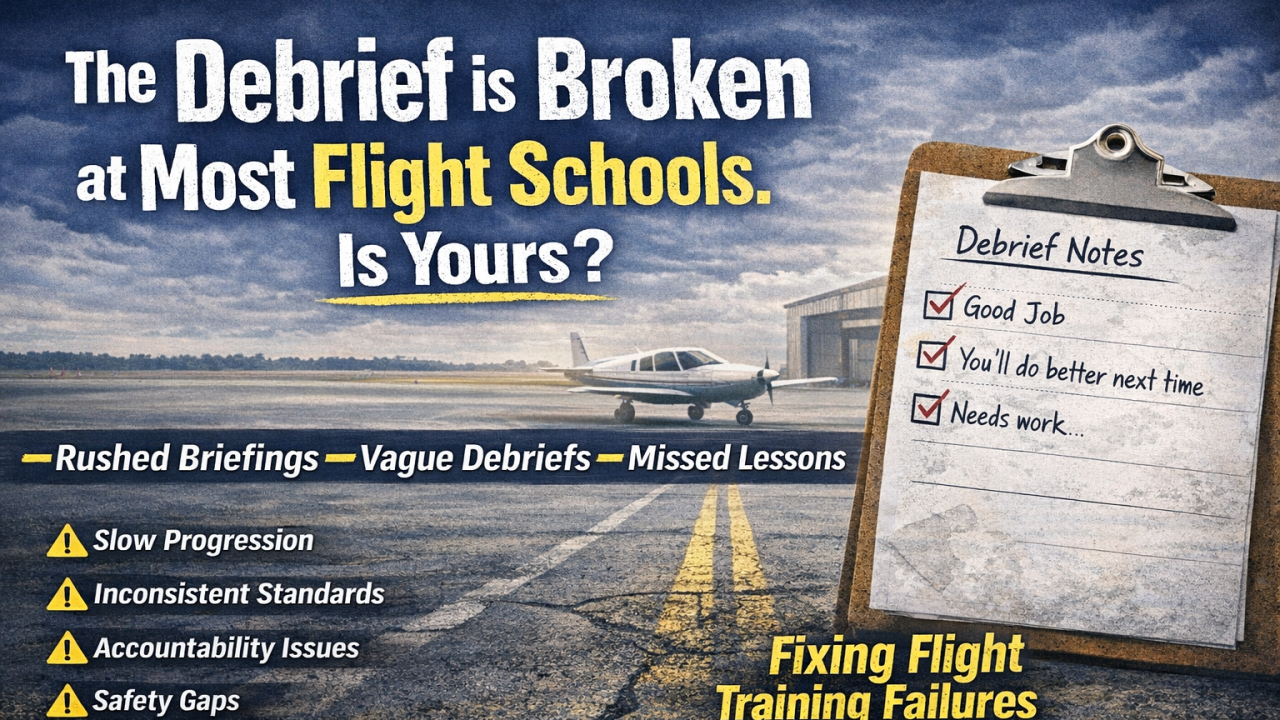
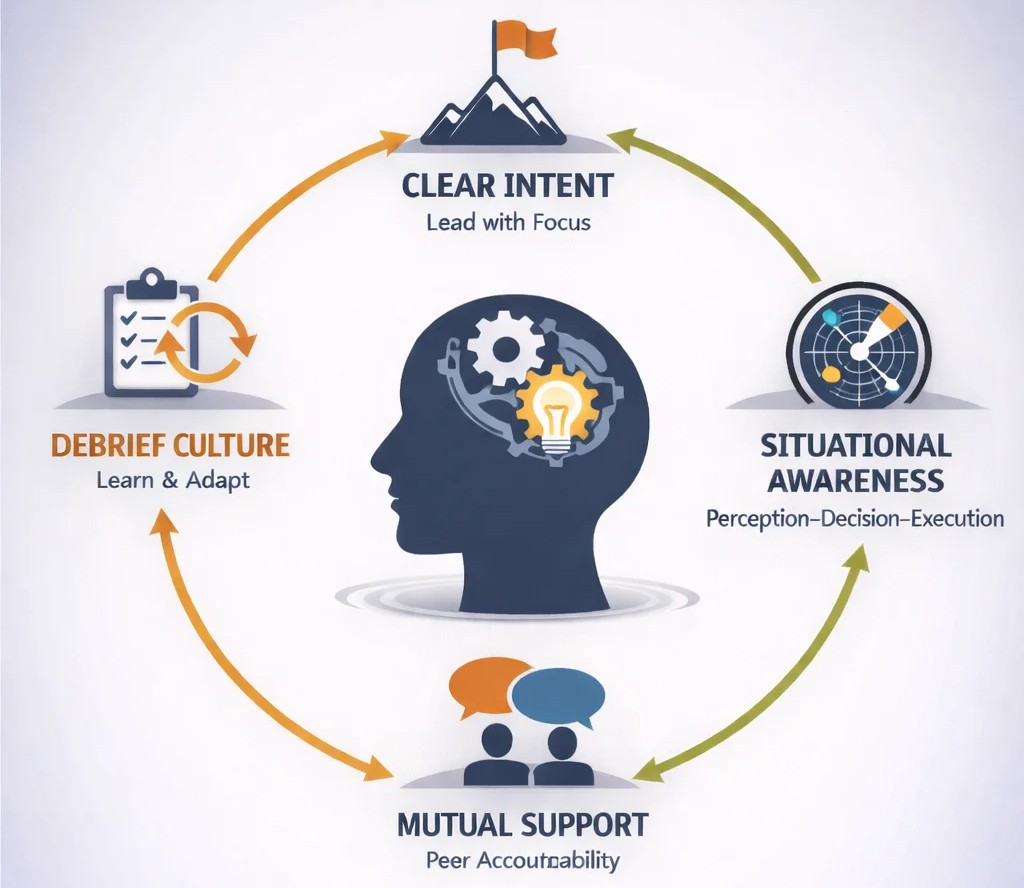
It’s not just technical skill or training hours; it’s a mindset built on trust, clear accountability, and a disciplined debrief culture.
In this newsletter, we’ll translate these principles into practical steps for your organization, so you can cultivate resilient, high-performing teams.
Why Trust Matters
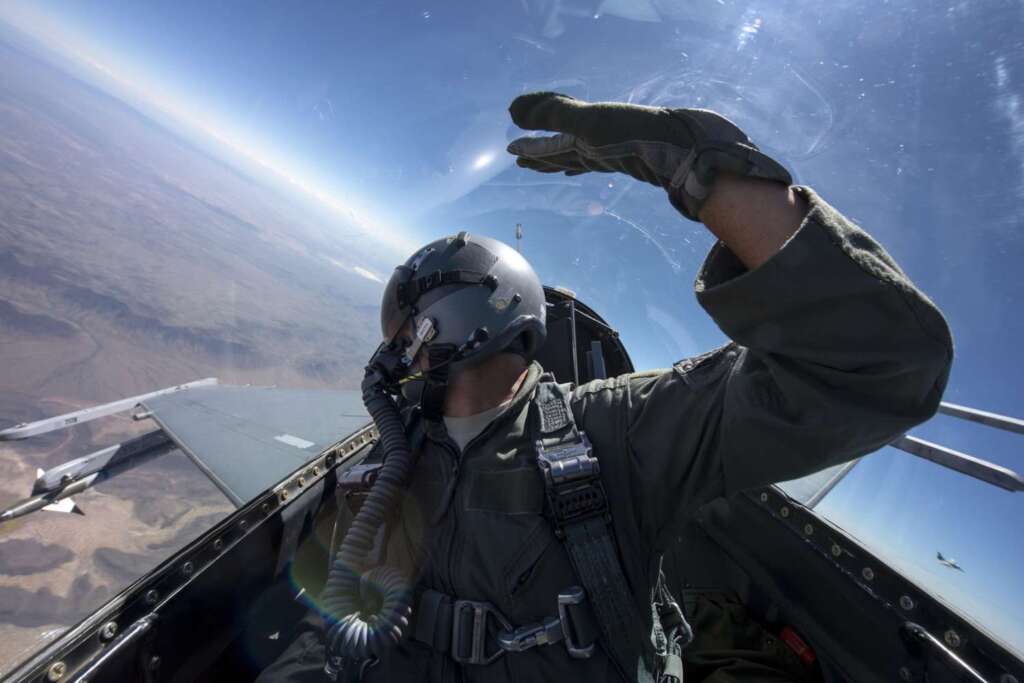
Psychological Safety: Teams that trust each other speak up early about risks, mistakes, or concerns. In aviation, safety is built on trust…trust of ANYONE on the team to speak up if they see something wrong, regardless or rank. In your organization, encouraging open dialogue prevents small issues from cascading, and may even save a disaster.
Transparent Communication: Trust grows when people trust their leaders. Staying transparent and holding yourself accountable as a leader is the foundation of trust in an organization. Share why decisions are made and what the bigger picture is. This reduces misunderstandings and aligns everyone toward common goals.
Accountability: Owning Outcomes, Separating Blame from Learning
In high-reliability environments, accountability isn’t about finger-pointing—it’s about owning outcomes and learning. When something goes wrong, leaders focus first on “how did our organization fail us?” rather than “who messed up?”
Mutual Support & Peer Accountability: Team members hold each other to standards because they share trust. When someone sees a peer heading toward risk, they speak up—not to blame, but to prevent harm. It’s not about “calling someone out,” but rather “calling someone forward” and making the team perform better.
Practical Tip: Own YOUR missteps and speak up about them. This brings down barriers to our natural human survival instinct of hiding our own shortcomings, which encourages other team members to do the same.
Learning-Oriented Debriefs: After each project or milestone, discuss what went well, what was surprising, and where processes can improve—without attributing failure to individuals.
Debrief Culture: The Engine of Continuous Improvement
Structured Debriefs: In aviation and other high-stakes fields, debriefs follow a simple but powerful structure: set a tone of accountability, review objectives, assess results, analyze results for root causes, and ultimately develop lessons learned and action items. This ensures consistency and that key insights aren’t lost.
Timing & Environment: Debriefs are most effective when done promptly—soon after the event—while memories are fresh. Create a non-judgmental space: start by reaffirming trust (“We’re here to learn, not to assign blame”). The team leader should ALWAYS start with something they could have done better.
Debrief Questions (Examples):
- What did we expect to happen, and what actually happened?
- What went well, and why?
- What surprised us, and why?
- What could we improve next time?
- What actions will we take for the organization, and who owns them?
Practical Tip: Start with a daily or even weekly Team Debrief, and then move on from there. Debrief where you can, even if just small tasks. For larger projects or initiatives, set aside time to debrief after job is complete. Team leader leads debrief regardless of rank, and ONLY those involved in the job in question should be part of the debrief.
Tools: Consider a simple “Debrief Guide” or checklist as an internal tool. This reinforces structure and signals that learning is valued.
Actionable Next Steps
- Launch a Pilot Debrief Session: Identify a recent project or event and schedule a debrief with your core team. Use the structured questions above.
- Establish Trust: At the start of meetings, ask one question that surfaces concerns or uncertainties (e.g., “What keeps you up at night on this project?”), and one thing you will commit to as the team lead.
- Define Accountability Agreements: For upcoming initiatives, define clear roles and responsibilities of all team members. This drives mutual support for others to step in when needed.
- Provide Training: Invest in your team on ways to improve trust and accountability, and HOW to run effective debriefs.
- Measure & Iterate: After a month of debrief culture, survey participants: Do they feel safer speaking up? Are improvements being tracked? Refine accordingly.
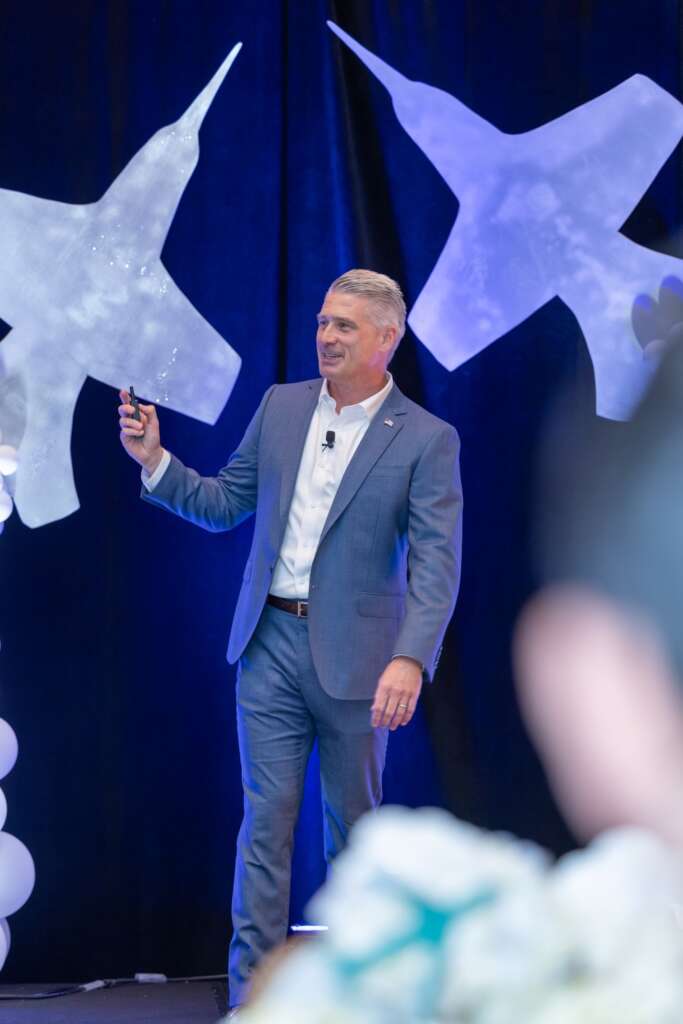
If you’d like to deepen your team’s trust and debrief capabilities:
- Download our Debrief Guide: A concise template to run structured debriefs in any setting. Contact Brandon here for your FREE DEBRIEF GUIDE.
- Book a Keynote, Workshop, or Coaching Session: I offer customized sessions on building trust, accountability, and debrief culture in high-reliability organizations. Reply to this email or visit brandonwilliamsspeaker.com/contact.
- Share Your Experience: Hit reply and tell me how you currently handle debriefs. What challenges do you face? I’ll share tailored advice.

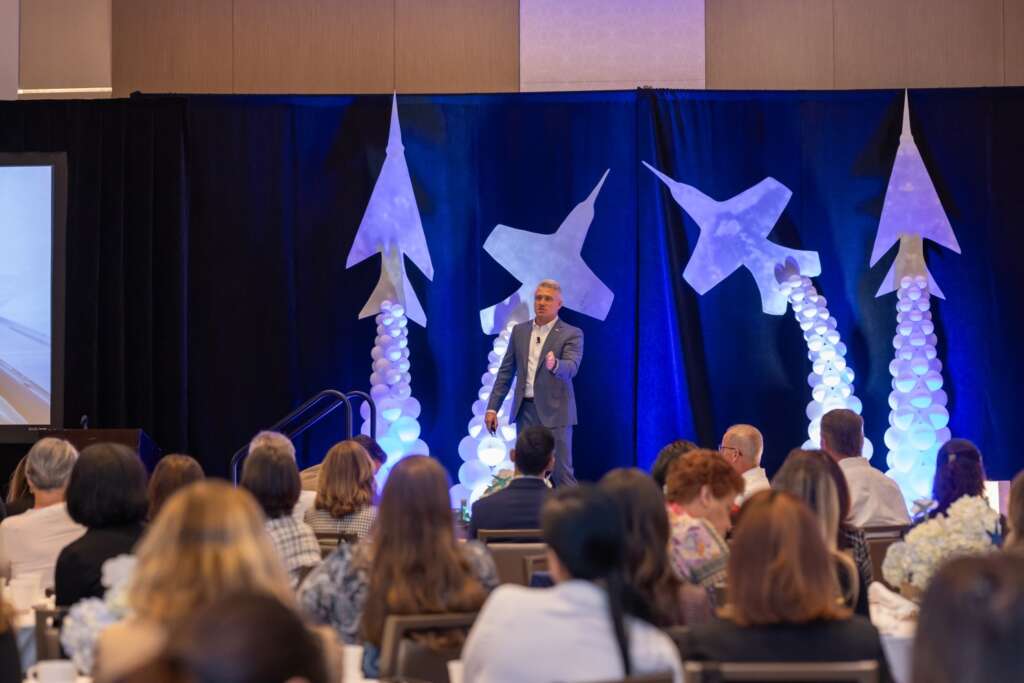
brandon@brandonwilliamsspeaker.com brandonwilliamsspeaker.com
Brandon Williams is a seasoned airline pilot, human factors professor, and former U.S. Air Force Fighter Pilot, Lieutenant Colonel, and Safety Officer with over two decades of experience leading teams in some of the world’s most dynamic, complex, and high-risk environments.
As a recognized expert in Human Factors and organizational leadership, Brandon equips leaders with the tools to build High-Reliability Organizations and High-Performance Teams.
Through powerful keynotes and workshops grounded in military aviation and safety science, Brandon addresses the realities of human error, the importance of system-level thinking, and how to lead in safety when facing uncertainty and complexity.