In high-risk environments, safety is not just a priority—it’s a mission-critical responsibility.
As a U.S. Air Force Fighter Pilot and Human Factors Expert, I’ve seen firsthand how split-second decisions can mean the difference between success and disaster. In aviation, there’s no margin for error—because mistakes don’t just cost money, they cost lives.
But here’s the truth: Most safety failures aren’t caused by equipment malfunctions—they’re caused by human factors.
And that’s exactly why safety is a leadership challenge.
🔴 The #1 Hidden Risk in Your Safety Culture: Complacency
Complacency is one of the most dangerous threats to safety—yet it’s rarely discussed.
🚨 “We’ve always done it this way.” 🚨 “Nothing bad has happened yet, so we must be doing it right.” 🚨 “It’s just a small shortcut—it won’t make a difference.”
These are the silent killers of a strong safety culture.
In aviation, we call this “Normalization of Deviance”—when small rule-bending behaviors become accepted over time, leading to catastrophic failure.
🛑 The Fighter Pilot Mindset: How Elite Teams Prevent Complacency
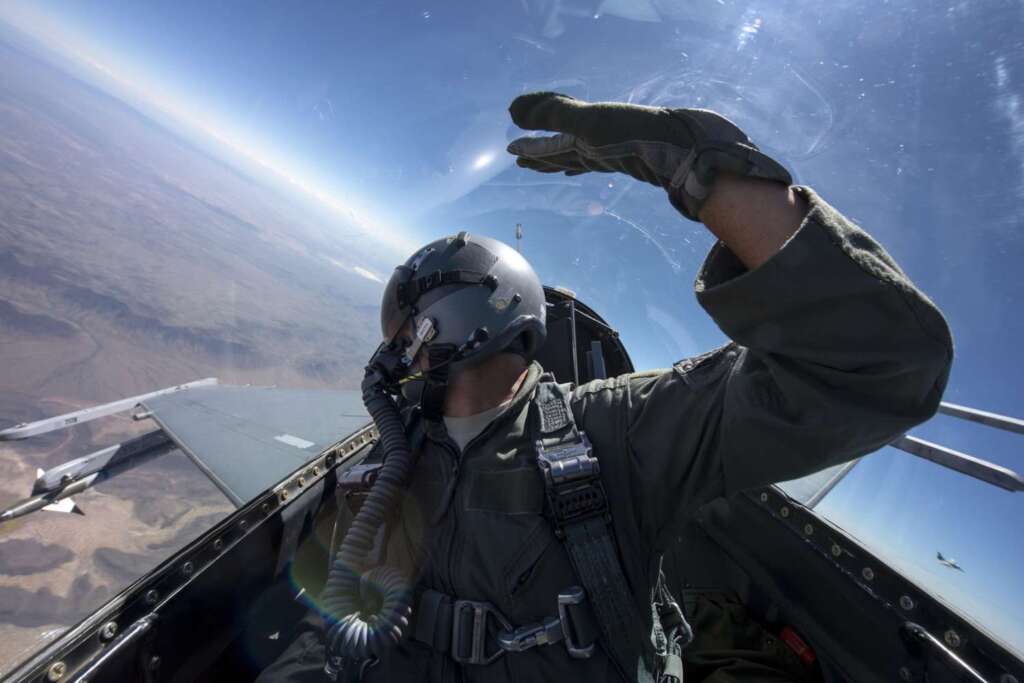
Fighter pilots don’t just train for when things go right—we train for when everything goes wrong.
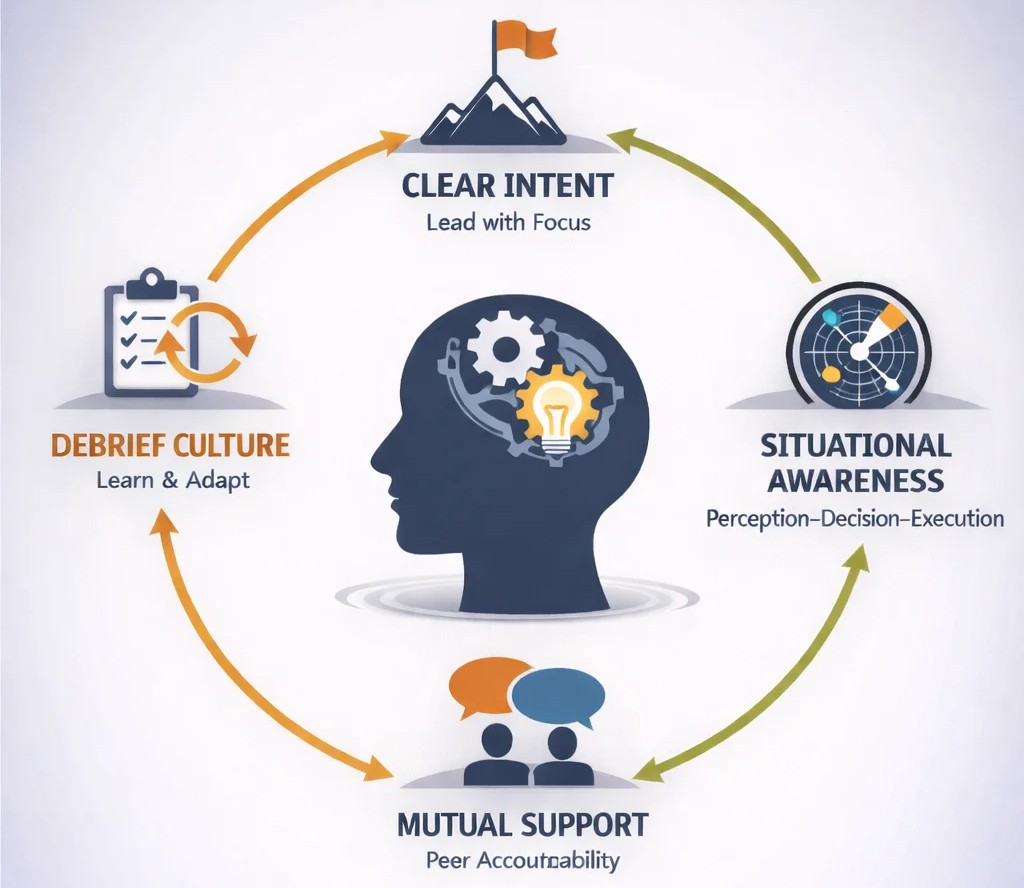
Our #1 weapon against human error? Situational Awareness & Debrief Culture.
✅ Situational Awareness: We are constantly assessing risks, anticipating threats, and making decisions before a crisis happens. In business and safety, leaders must develop the same proactive mindset to identify risks before they escalate.
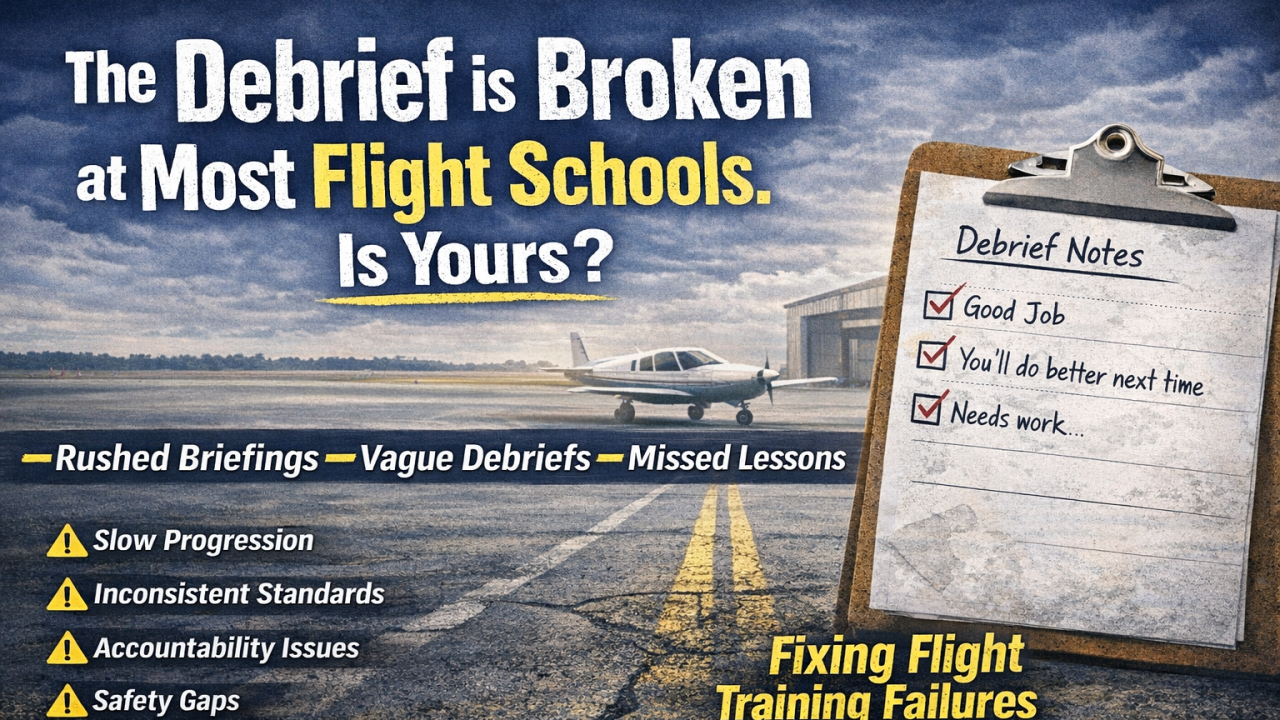
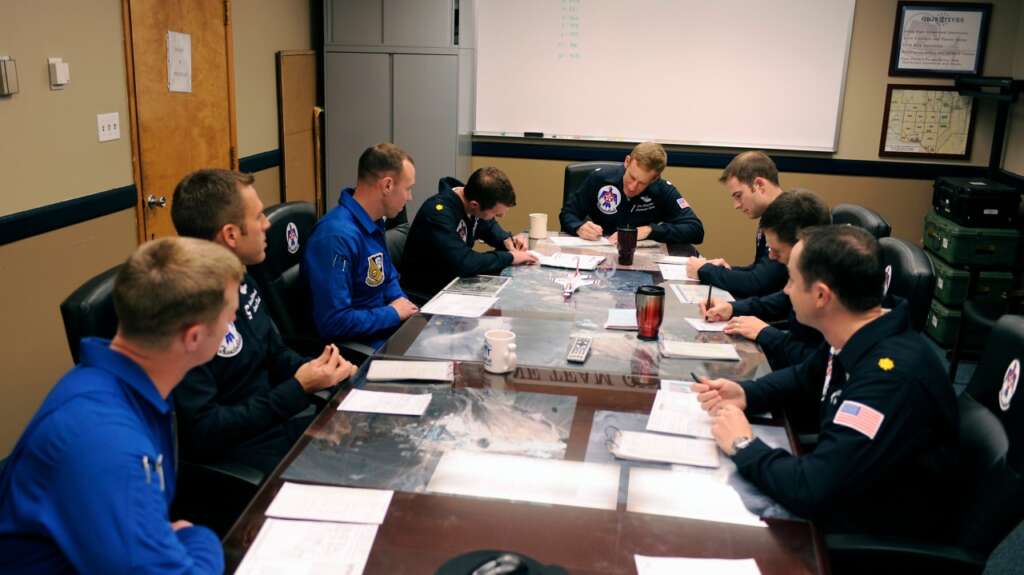
✅ Debrief Culture: After every mission, fighter pilots conduct honest, rank-free debriefs to analyze mistakes, improve, and ensure errors aren’t repeated. How often does your organization debrief safety incidents—without blame or defensiveness?
The best safety leaders create a culture where learning from mistakes is encouraged, and continuous improvement is non-negotiable.
🔹 What Can Safety Leaders Learn from Fighter Pilots?
1️⃣ Eliminate “Normalization of Deviance” → Just because nothing bad has happened doesn’t mean you’re safe. Challenge unsafe norms before they lead to accidents. 2️⃣ Train Decision-Making Under Pressure → Do your teams have the tools to make split-second, life-or-death decisions? Safety isn’t just about rules—it’s about real-time decision-making. 3️⃣ Foster Psychological Safety & Accountability → Create a culture where workers feel safe to speak up about risks—before they turn into incidents.
🎤 Bringing High-Stakes Safety Leadership to Your Organization
I’ve had the privilege of speaking to safety professionals, frontline teams, and executives across high-risk industries—from aviation and oil & gas to manufacturing and healthcare.
My keynotes focus on: ✅ How Fighter Pilots Reduce Human Error & Improve Decision-Making ✅ Why Safety is a Leadership Challenge (and How to Fix It) ✅ Situational Awareness & Risk-Based Thinking for Safety Professionals ✅ The Fighter Pilot Debrief Method for Continuous Safety Improvement
If you’re looking for a high-energy, actionable keynote for your next safety event, let’s talk.
Email or message me here on LinkedIn to book a call.
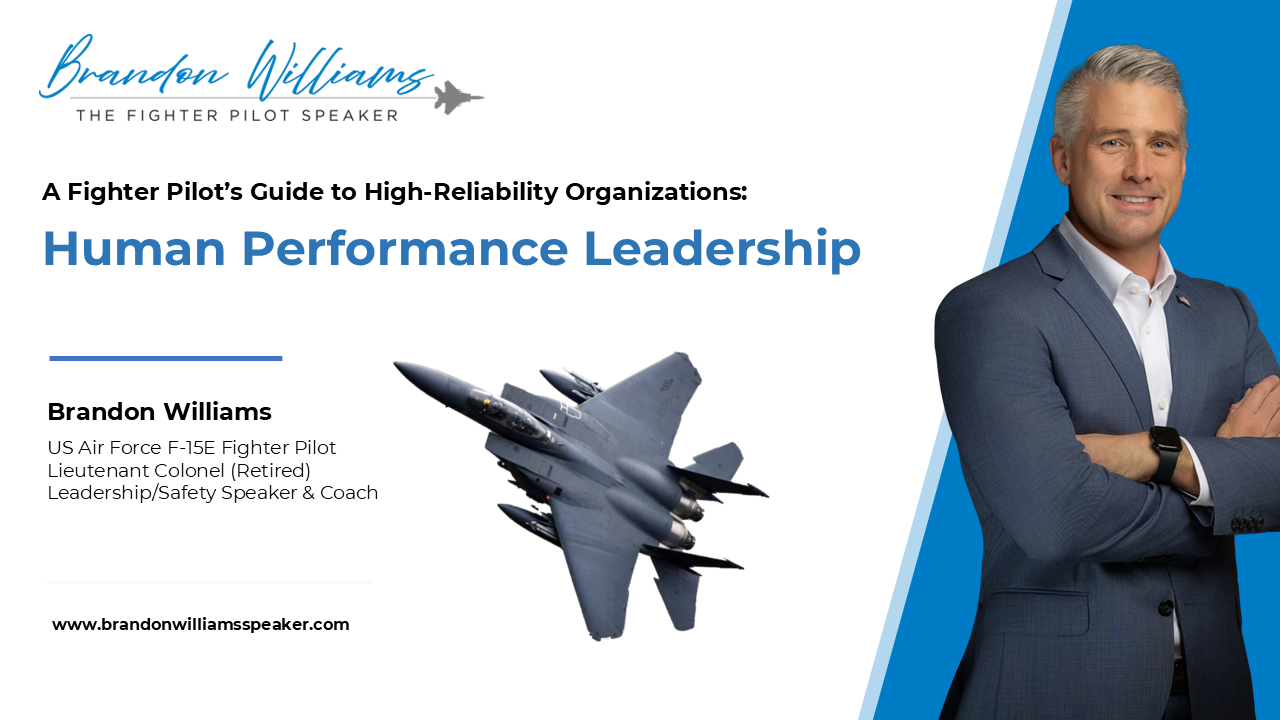
Stay safe and lead boldly, 🚀 Brandon Williams Fighter Pilot | Human Factors Expert | Safety & Leadership Speaker 🎤 Book Me for Your Next Event → Contact – Brandon Williams | Leadership Keynote Speaker
www.brandonwilliamsspeaker.com | bwilliams@lead-tac.com
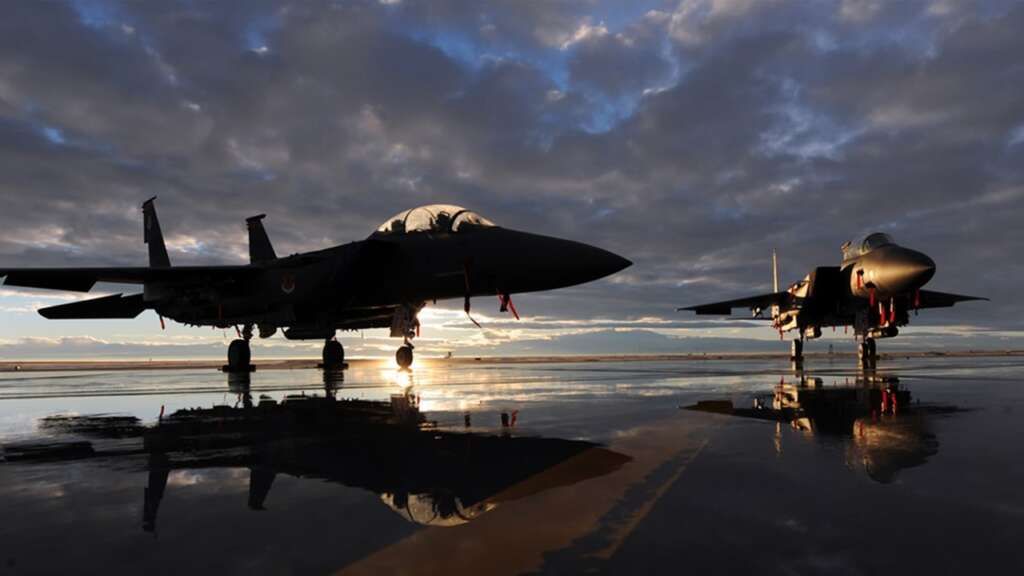
Brandon Williams graduated from the US Air Force Academy, and is an accomplished leadership business speaker, business owner, and adjunct professor in human factors. As a decorated Lieutenant Colonel in the United States Air Force, he led men and women from diverse backgrounds and managed millions of dollars in assets. As an F-15E Fighter Pilot, Brandon flew hundreds of combat hours and missions over the skies of Iraq and Afghanistan, operating in some of the most challenging and dynamic environments imaginable.
Over the past few years, Brandon has built his speaking and coaching business to become an accomplished keynote leadership speaker. Having taught at several universities for almost 15 years as an expert in Human Factors, he leverages his in-depth knowledge of human performance analysis to equip leaders for uncertainty and change.